Song Meaning
The lyrics paint a picture of a life made difficult by distance and uncertainty, where even mundane obstacles like bad roads and traffic become amplified. The narrator feels a profound sense of unease, suggesting that the absence of a specific person makes an already absurd existence even more so. There's a longing for peace, a state that seems attainable only when 'we' are together, contrasting sharply with the current state of disquiet.
The central tension revolves around a hesitant, almost paralyzing indecision regarding a relationship. The narrator grapples with a desire to give and a simultaneous reluctance, caught in a cycle of "I give... and I don't give." This internal conflict is fueled by the other person's apparent lack of full perception: "You don't see me as I am." The narrator is waiting for a sign, a clear direction, but receives only ambiguity, leading to "days without warmth."
The most striking aspect is the internal debate presented in the choruses, a back-and-forth between "I'll go! Or won't I go?" This oscillation captures the anxiety of potential rejection or misunderstanding. The narrator is "afraid of the mystery" and "desassossego" (restlessness), yet ultimately resolves to "face the chaos" if it means reconciliation. The repeated phrase "And I give" suggests a willingness to sacrifice, but the immediate "and I don't give" reveals the deep-seated fear and doubt that holds them back.
Ultimately, these lyrics resonate because they articulate the profound vulnerability of seeking connection when faced with ambiguity. The narrator's struggle to "concede, rebuild" and their conditional promise to smile if the other person smiles highlight a desperate hope for reciprocity. The final declaration that "love is worth more" underscores the immense value placed on this relationship, even as the narrator wrestles with the fear of "the mystery" and the potential for further pain.
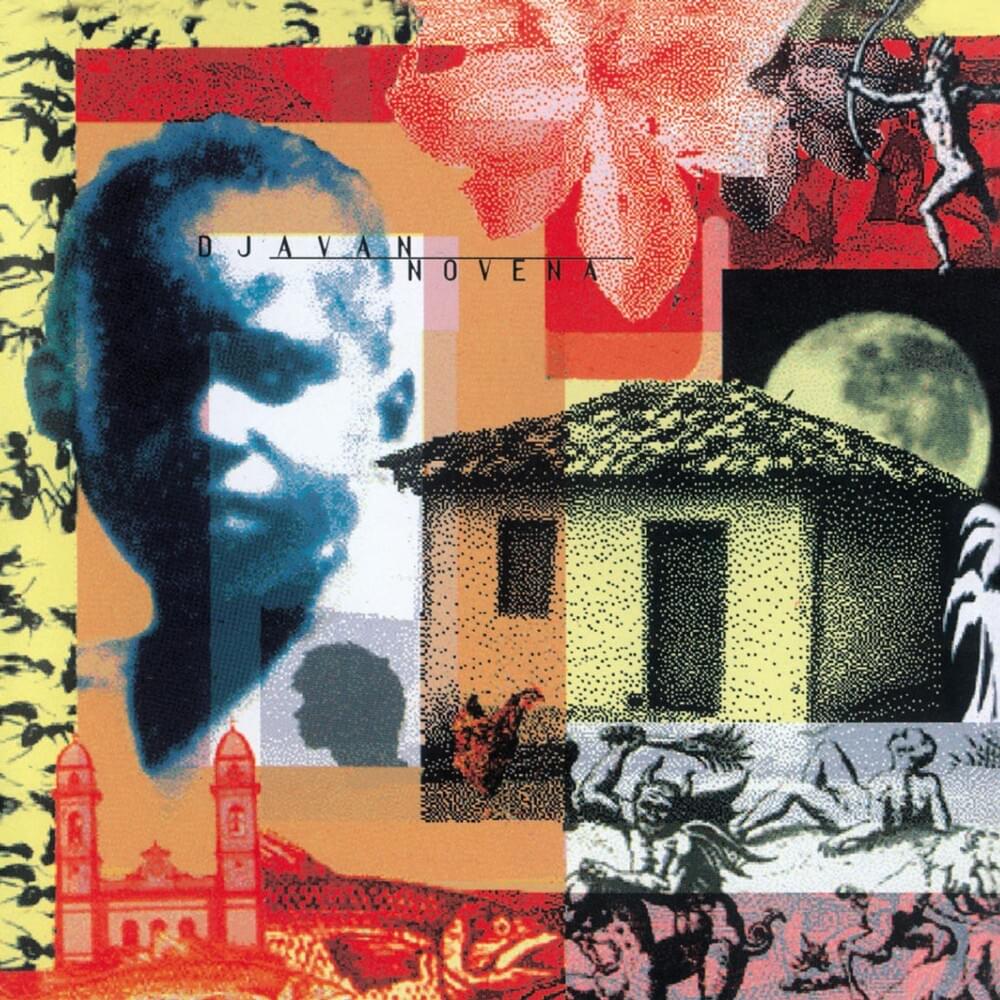
 View Artist