Song Meaning
The lyrics paint a vivid picture of someone actively escaping a dark place, aiming to re-emerge into the light. The opening lines establish a clear need to "sair" (leave) and "distrair" (distract oneself), pulling away from the depths of "fundo do poço" (the bottom of the well). This isn't just a passive wish; it's a determined effort to "reaparecer" (reappear) with the day still young, driven by the core belief that "o que passou, passou" (what passed, passed) and nothing lasts forever.
The central tension lies in the narrator's deliberate shedding of the past, described as "escombros" (rubble) and "jardins" (gardens) left for the pigeons. This signifies a decisive break, a "ticket só de ida" (one-way ticket) to a new existence. The desire for "outro lugar, um outro amor, uma outra cor na vida" (another place, another love, another color in life) underscores a yearning for renewal and a complete transformation, moving beyond the lingering shadows of previous experiences.
The most striking craft element is the stark contrast drawn in the chorus between the narrator's former lover and themselves. The lover is characterized as "fria, tanto quanto a Suécia" (cold, as much as Sweden), while the narrator embodies the vibrant, passionate warmth of "Brasil das matas tropicais, mares de verão, cascatas de foz, luar do sertão" (tropical forests, summer seas, river mouth waterfalls, backlands moonlight). This juxtaposition highlights the fundamental incompatibility that likely led to the separation and emphasizes the narrator's embrace of their own fiery, life-affirming nature.
This lyrical construction is effective because it grounds the abstract idea of moving on in concrete, sensory imagery. The shift from the darkness of the well to the bright, diverse landscapes of Brazil creates a powerful emotional arc. By framing the past as rubble and the future as a vibrant, tropical panorama, the lyrics offer a compelling narrative of liberation and self-rediscovery, suggesting that true healing comes from embracing one's own inherent warmth and vitality.
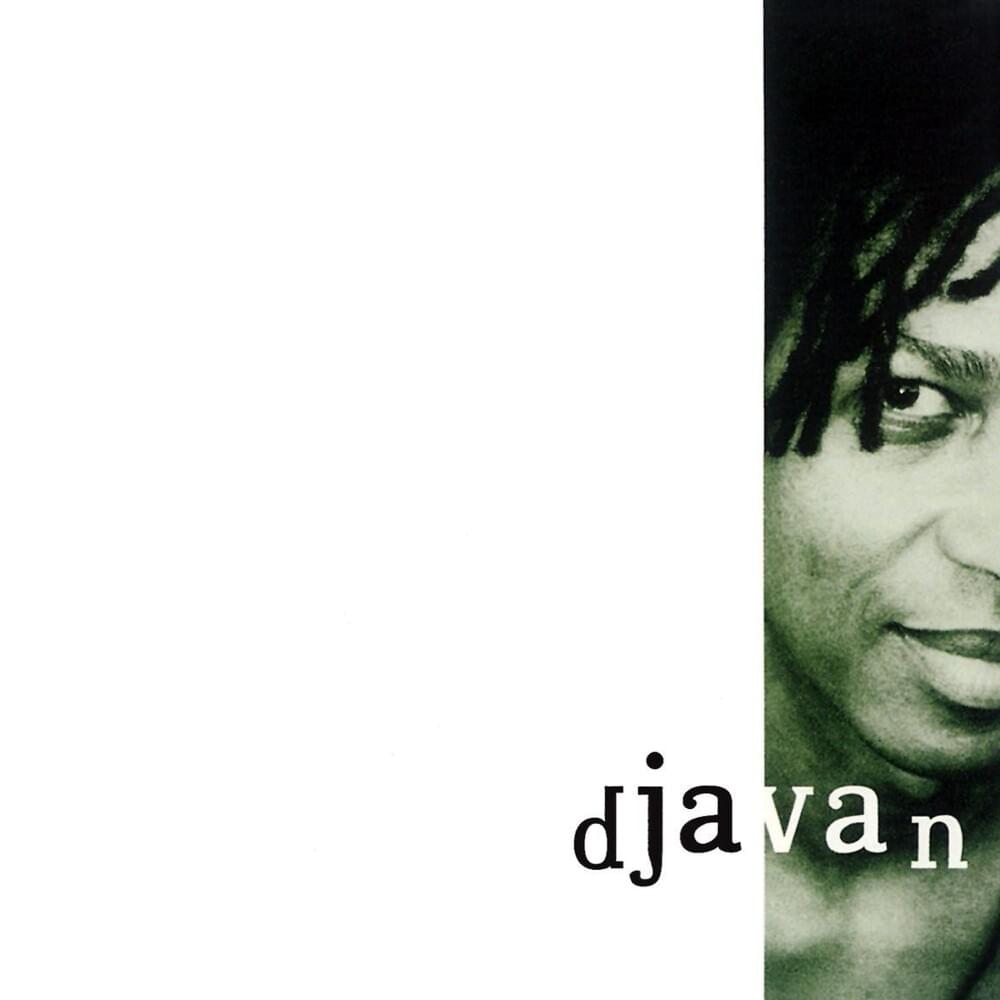
 View Artist