Song Meaning
The lyrics open with a direct address, repeating the name "Obi" and "Obá," immediately establishing a sense of invocation or deep familiarity. The phrases "Que nem zen, Czar" and "Shalon Jerusalem" weave together disparate cultural and spiritual references, suggesting a vast, almost cosmic perspective. This initial section paints a picture of a serene, yet powerful presence, grounded in a "relva rala" (sparse grass) but reaching towards distant lands and concepts like "Ali, Alá" and "Logum."
The core of the song seems to reside in the recurring assertion that "O samba é pedra mór," a declaration that samba is the cornerstone or the most important stone. This idea is directly linked to "África" and "Benfica," suggesting a deep connection to African roots and perhaps a specific place or community. The repetition of "E fica melhor" (And it gets better) following these references implies that this connection, this samba, is a source of ongoing improvement and vitality.
A striking aspect of the craft is the juxtaposition of ancient and modern, the sacred and the everyday. We see "Faraó" alongside "samba," and "Jerusalém" with "Ouricuri madurou" (Ouricuri has ripened). The second verse shifts to a more personal, introspective tone, with the narrator speaking of "Sonhando, Sentindo, Cantando," and ultimately "Falo de mim / Pra você." This personal sharing, framed by the enduring power of samba, creates a bridge between the individual experience and a broader cultural heritage.
Ultimately, the lyrics resonate because they evoke a sense of profound connection and continuous upliftment. The blending of diverse imagery—from spiritual leaders to geographical locations and musical forms—creates a rich tapestry. The assertion that samba is the "pedra mór" and that embracing this foundation makes things "melhor" offers a powerful, grounded optimism that feels both deeply personal and culturally expansive.
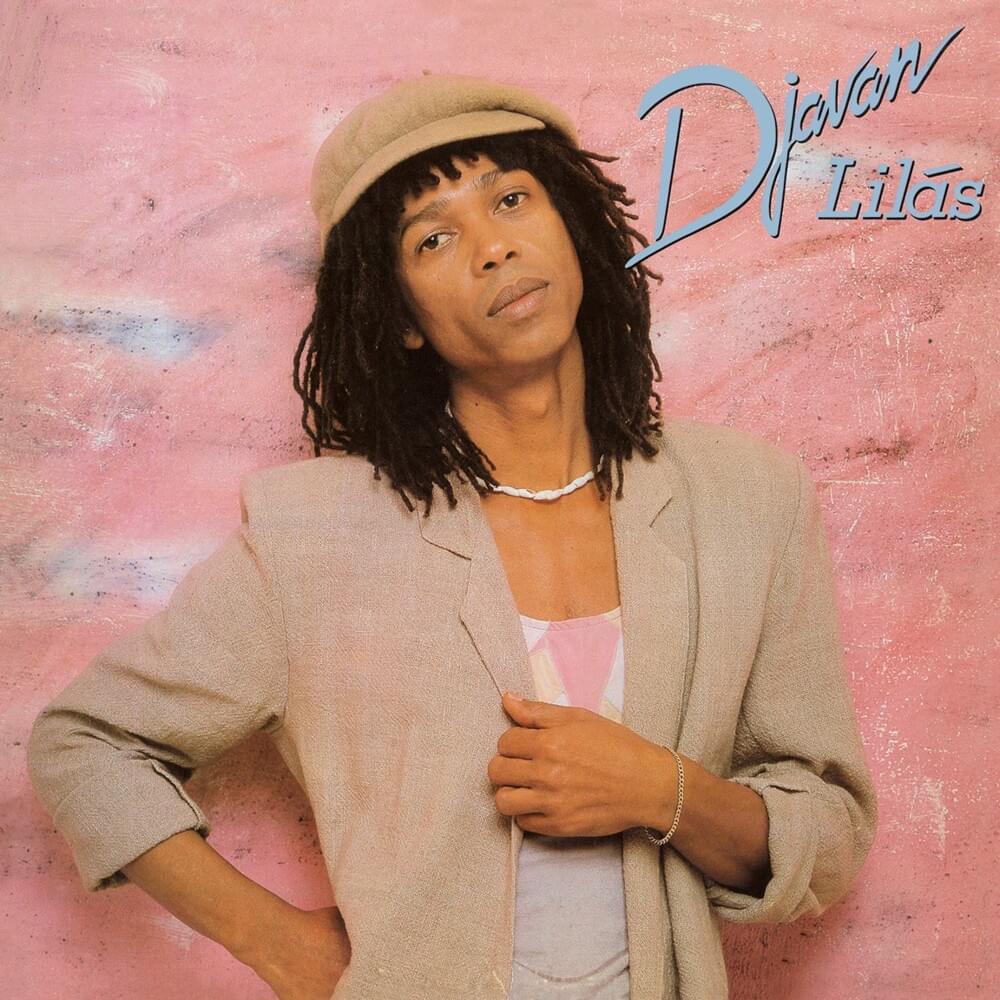
 View Artist