Song Meaning
The lyrics paint a vivid picture of a transformative love, arriving like a burst of light during a personal storm. The narrator finds solace and illumination in the presence of their beloved, whose smile is described as a force that can "lacrar tudo" – a powerful, sealing-off action against negativity. This love is so profound it creates a "céu azul em meio à tempestade glacial," a stark contrast that highlights the beloved's ability to bring peace and clarity amidst chaos. The scent of honeysuckle ("madressilva") serves as a sensory anchor for this profound connection, suggesting a natural, intoxicating sweetness that defines the relationship.
The central tension lies in the narrator's profound sense of possession and the beloved's role as a rescuer. The repeated phrase "és minha" emphasizes a deep, almost fated connection, while the narrator acknowledges being drawn out of "um vazio" and past "dores idas." This love isn't just a pleasant addition to life; it's presented as the very source of life and good fortune, elevating the beloved to a status among "seres de boa sorte que a natureza criou." The act of fulfilling the beloved's desires is deemed "sagrado," underscoring the almost religious reverence the narrator holds for this person.
The most striking craft element is the juxtaposition of intense natural imagery with the intimate emotional landscape. The "tempestade glacial" is immediately countered by a "céu azul," and the "fogo" that "aquece a lua imersa na luz do amor" creates a surreal, almost cosmic scene. This celestial imagery elevates the love beyond the mundane, suggesting a powerful, elemental force. The idea of sailing "de mar em mar" to find a "cais dourado" further reinforces the journey and ultimate arrival into a state of golden peace, all attributed to the beloved's presence and the narrator's exclusive claim on them.
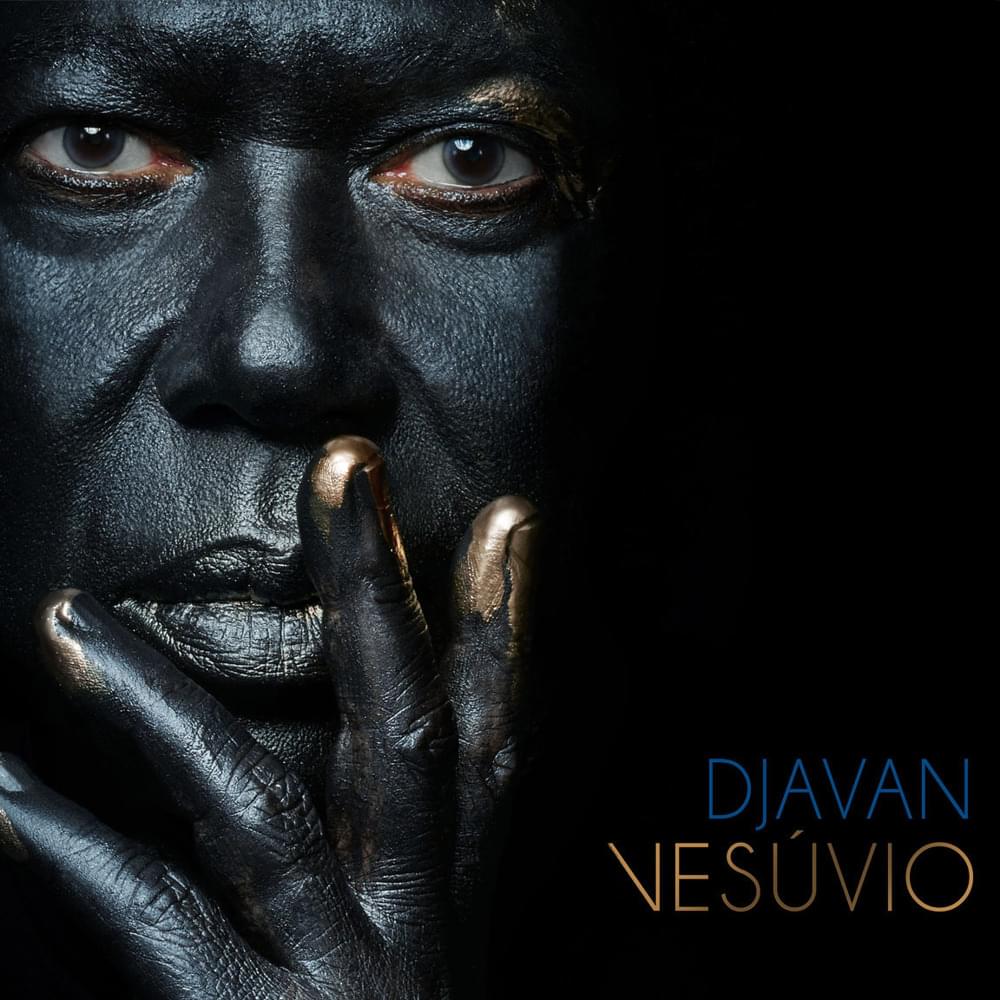
 View Artist