Song Meaning
This track grounds itself in the humble origins and deep cultural significance of 'farinha,' specifically linking it to the 'macaxeira' plant. The lyrics immediately establish a familial connection, noting how an uncle's nickname for the plant, 'macaxeira,' made it universally accepted. This sets a tone of simple, everyday pride in a staple food.
The core of the narrative revolves around the pervasive presence of farinha in the life of a 'nordestino' (person from Northeast Brazil). It's presented as something understood from childhood, a source of sustenance available in various forms – 'grossa,' 'fina,' 'quebradinha.' The lyrics highlight its role in essential meals like 'pirão' or 'mingau,' and emphatically declare 'Farinha com feijão é animal!' The image of someone without means still having a 'macaxeira' plant in their backyard underscores its accessibility and importance.
The most striking element is the repeated refrain, 'Você não sabe o que é farinha boa / Farinha é a que a mãe me manda lá de Alagoas.' This elevates the simple staple to a marker of authentic, superior quality, directly tied to maternal love and a specific geographic origin, Alagoas. It transforms the food from a mere ingredient into a vessel of memory and familial connection, suggesting that true 'good farinha' is not just about texture or taste, but about where it comes from and who sends it.
Ultimately, the lyrics effectively convey how a seemingly basic food item like farinha is deeply interwoven with identity, community, and familial bonds in the Nordeste. The contrast between its widespread availability and the specific, cherished origin of 'good farinha' from a mother creates an emotional resonance that speaks to the power of simple things imbued with personal history and love.
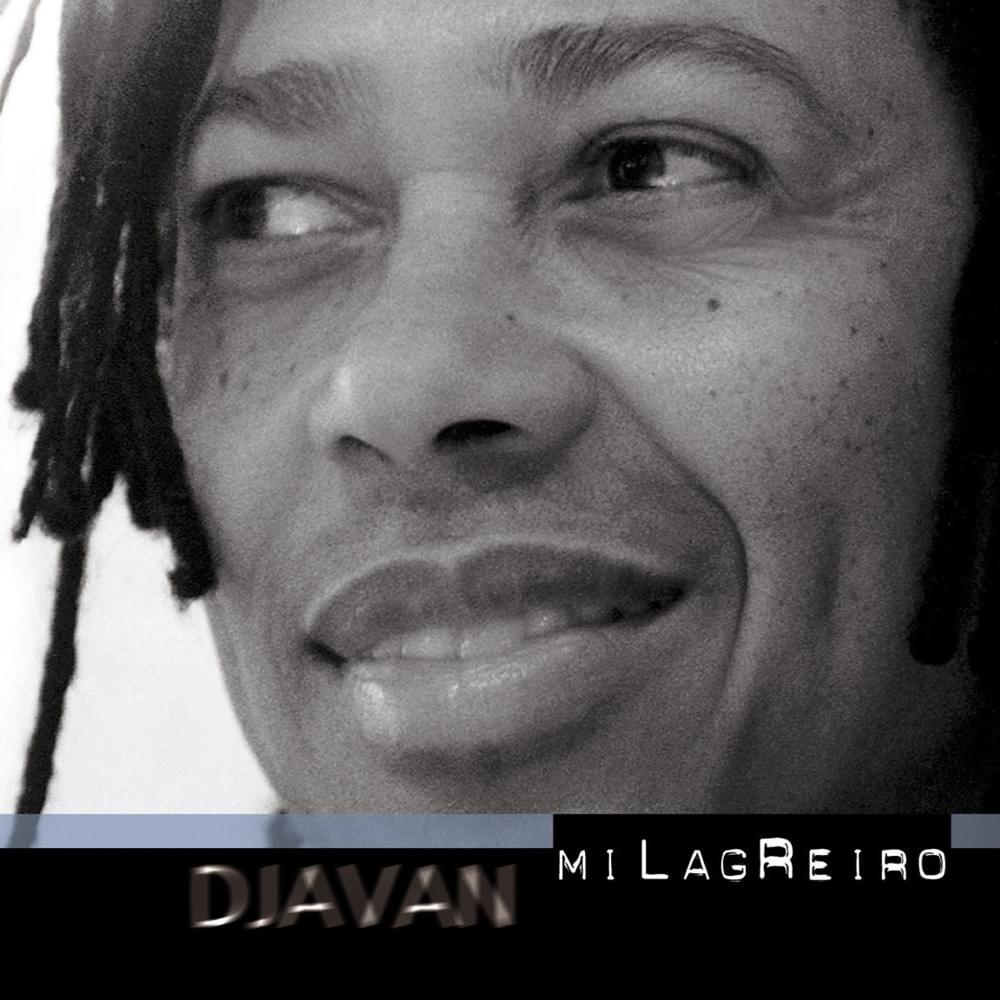
 View Artist