Song Meaning
The lyrics paint a stark picture of sudden intimacy followed by abrupt abandonment. The narrator recounts a rapid sequence of events: arrival, being seen, spoken to, and then deceived. This initial encounter culminates in a kiss, leaving the narrator with a bewildered question, "E agora, amor?" (And now, love?).
The core tension arises from the stark contrast between the initial connection and the immediate aftermath. After the narrator is kissed, the other person sleeps, withdraws, and leaves, having destroyed whatever was built. This leaves the narrator alone, again posing the same question of bewilderment and hurt, "E agora, amor?"
The repeated, simple verbs in the verses create a sense of a swift, almost transactional encounter. "Você chegou, você me viu, você falou, você me iludiu, me beijou." This direct, unadorned language emphasizes the speed and perhaps the superficiality of the interaction from one perspective. The narrator's passive reception of these actions highlights their vulnerability and subsequent confusion.
Ultimately, the lyrics define this experience as "dupla traição" (double betrayal) because of the lack of a plea for forgiveness. The narrator expresses a desire for the other person to return, not for reconciliation, but to experience overwhelming joy and then gratitude, suggesting a complex mix of hurt and a yearning for a positive resolution that seems impossible given the circumstances.
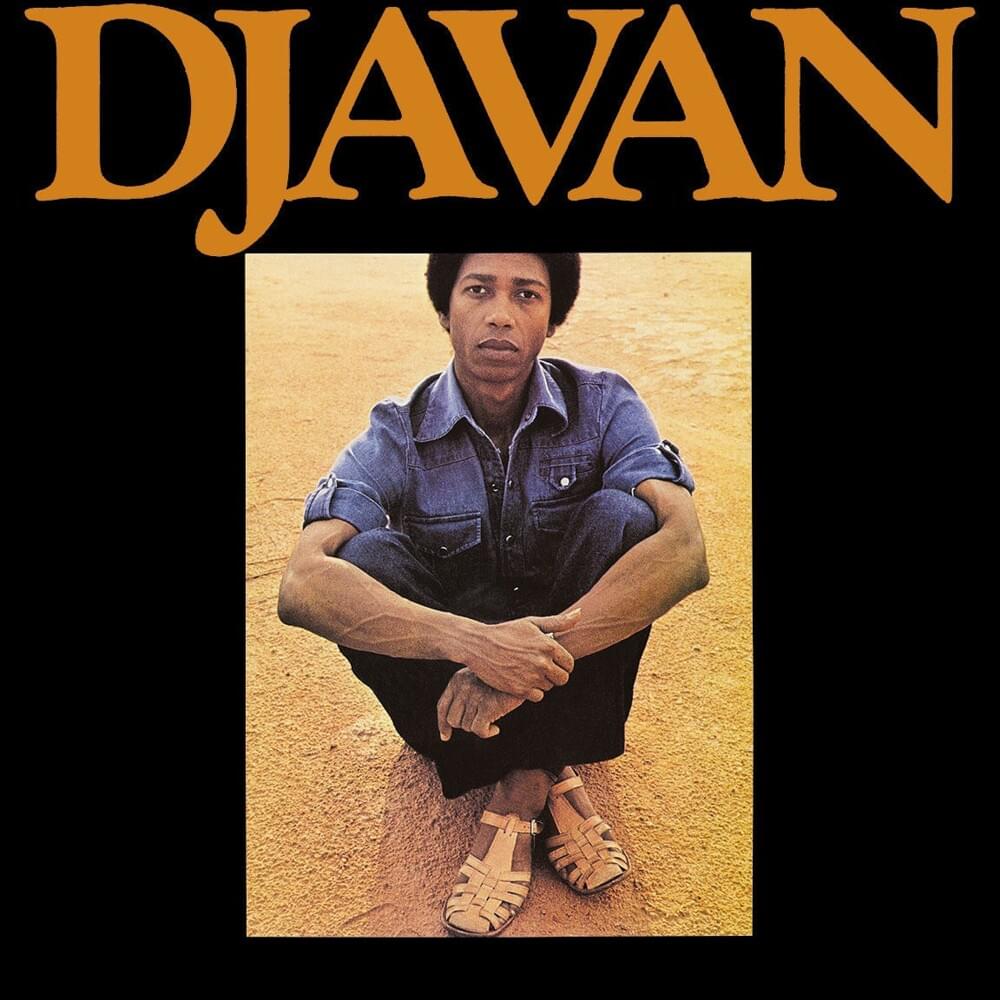
 View Artist