Song Meaning
The lyrics paint a stark picture of existence, contrasting fundamental needs and abstract concepts with harsh materials. Bread, a basic necessity, is elevated to gold, signifying its immense value, while silver, often associated with wealth, is reduced to mere law, a set of rules. This immediately establishes a hierarchy where survival trumps societal structures. The core of the song seems to lie in these potent, almost elemental equations: pain is equated with nylon, a synthetic and often abrasive material, while love is fragile glass, beautiful but easily shattered. These pairings create a visceral, almost tactile understanding of emotional states.
The narrator grapples with the transition from growth to a more profound understanding of life. Growing up is framed as a betrayal, a sudden awakening into a moment of departure. This suggests that the process of maturation isn't gentle but rather a jarring shift. Life itself is presented as a relentless pursuit of ultimate knowledge or resolution, an attempt to find the end of everything – knowing, law, existence, nothingness, everything, and ultimately, the self. This quest for definitive answers highlights a deep existential yearning.
The most striking element is the deliberate, almost ritualistic repetition of the chorus, solidifying these stark equivalences. The juxtaposition of 'pão é ouro' (bread is gold) and 'prata é lei' (silver is law) sets up a tension between intrinsic value and imposed order. The pairing of 'dor é nylon' (pain is nylon) and 'amor é vidro' (love is glass) is particularly effective, rendering abstract feelings into tangible, albeit flawed, substances. The final declaration, 'Eu e Deus' (Me and God), appended to these pronouncements, suggests a personal, perhaps solitary, reckoning with these truths, a private understanding between the individual and a higher power.
This lyrical construction resonates because it bypasses sentimentality, opting instead for raw, material metaphors to convey complex emotional and philosophical ideas. The bluntness of the comparisons—pain as nylon, love as glass—makes the abstract painfully concrete. It's this unflinching, almost brutal honesty in defining the human condition through simple, yet loaded, equations that gives the song its sharp, memorable edge, leaving the listener to ponder their own definitions of these fundamental forces.
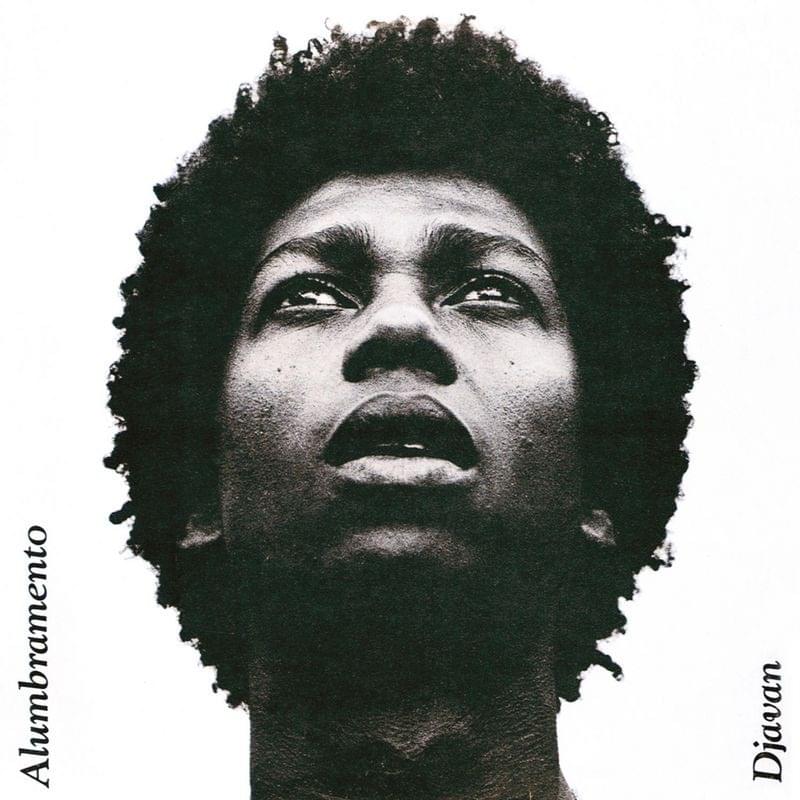
 View Artist