Song Meaning
This song paints a stark picture of betrayal and the aftermath of a love that was never truly reciprocated. The narrator is left reeling from someone who secretly plotted their departure, leaving without a word and seemingly unbothered by the pain they've inflicted. The dominant tone is one of hurt and disillusionment, a quiet devastation left in the wake of someone else's careless actions. The phrase "coração leviano" immediately sets the stage for this emotional landscape.
The central tension lies in the narrator's past devotion versus the other person's flightiness. The narrator describes their heart as a "pobre navegante" (poor navigator) who braved a "tempestade" (storm) in the "mar da paixão e da loucura" (sea of passion and madness), all in pursuit of happiness. This intense effort and vulnerability stand in sharp contrast to the other person's easy departure, highlighting the imbalance and the ultimate futility of the narrator's emotional investment.
The lyrics masterfully employ the metaphor of a "coração leviano" (fickle heart) to describe the betrayer. This "fickle heart" is portrayed as incapable of true commitment, belonging "to no one." The narrator's own heart, once a hopeful "amante" (lover), is now left to confront the "desenganos" (disappointments) and the harsh reality that their pursuit of happiness was based on a false premise. The repetition of "coração leviano" underscores the core issue: a heart that is unreliable and ultimately causes profound suffering.
What makes these lyrics so effective is their directness and the vivid imagery of a storm-tossed sailor. The narrator's pain is palpable, stemming from the realization that their deep emotional investment was met with indifference. The final lines deliver a crushing blow, confirming that the "fickle heart" was never capable of offering the lasting love the narrator sought, leaving them with nothing but the wreckage of their own "aventura" (adventure).
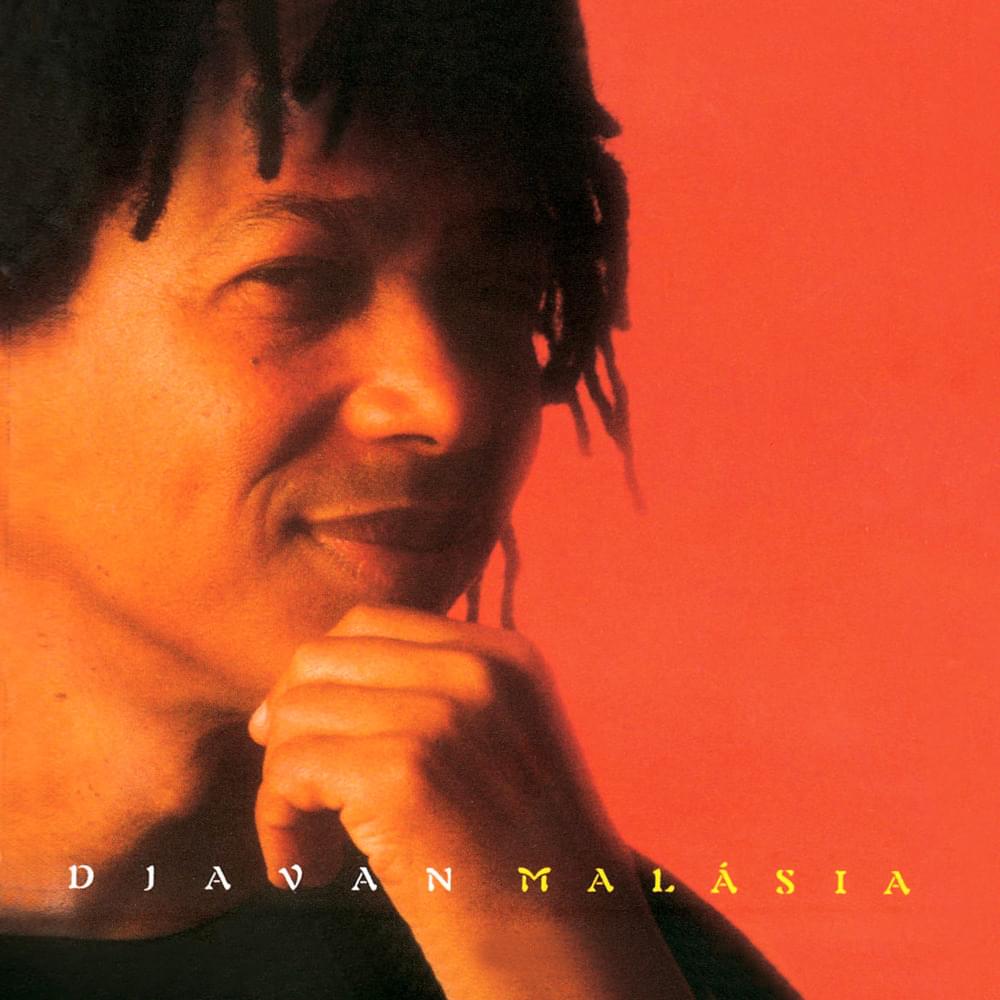
 View Artist