Song Meaning
The lyrics paint a picture of a serene natural setting, bordering a river, where the narrator seeks a moment of spiritual cleansing or blessing. There's a gentle plea to 'Mãe d'Água,' perhaps a water spirit or deity, to allow a moment of connection and affection. This initial scene establishes a tone of quiet reverence and a deep, almost personal, relationship with the natural world.
The second verse shifts dramatically, listing diverse geographical locations and plant life from across Brazil – from Paraná's pines to Pará's mangoes and Borborema's pitangueiras. This expansive cataloging of flora and fauna creates a sense of national identity and natural abundance. However, this is juxtaposed with a somber historical note: 'A Ema gemeu / No tronco do Juremá / Cacique perdeu / Mas lutou que eu vi.' This imagery introduces a theme of struggle and loss, hinting at a history of conflict and defeat, even amidst the beauty.
The most striking turn comes with the lines 'Jari não é Deus / Mas acham que sim / Que fim levou o amor? / Plantei um pé de fuló / Deu capim.' The narrator questions divine status and then poses a poignant question about the fate of love, only to find that a planted 'fuló' (a type of flower) yielded 'capim' (grass). This unexpected outcome, where a cultivated beauty results in common grass, suggests a sense of disillusionment or a natural order that doesn't always align with human hopes and desires for love or flourishing.
Ultimately, the lyrics resonate through this contrast between idyllic natural reverence and the harsh realities of history and personal disappointment. The shift from a personal, almost mystical connection with the river spirit to a broader, more complex reflection on Brazil's natural and historical landscape, culminating in the simple, yet profound, image of grass where a flower was expected, leaves the listener with a feeling of bittersweet contemplation about what endures and what is lost.
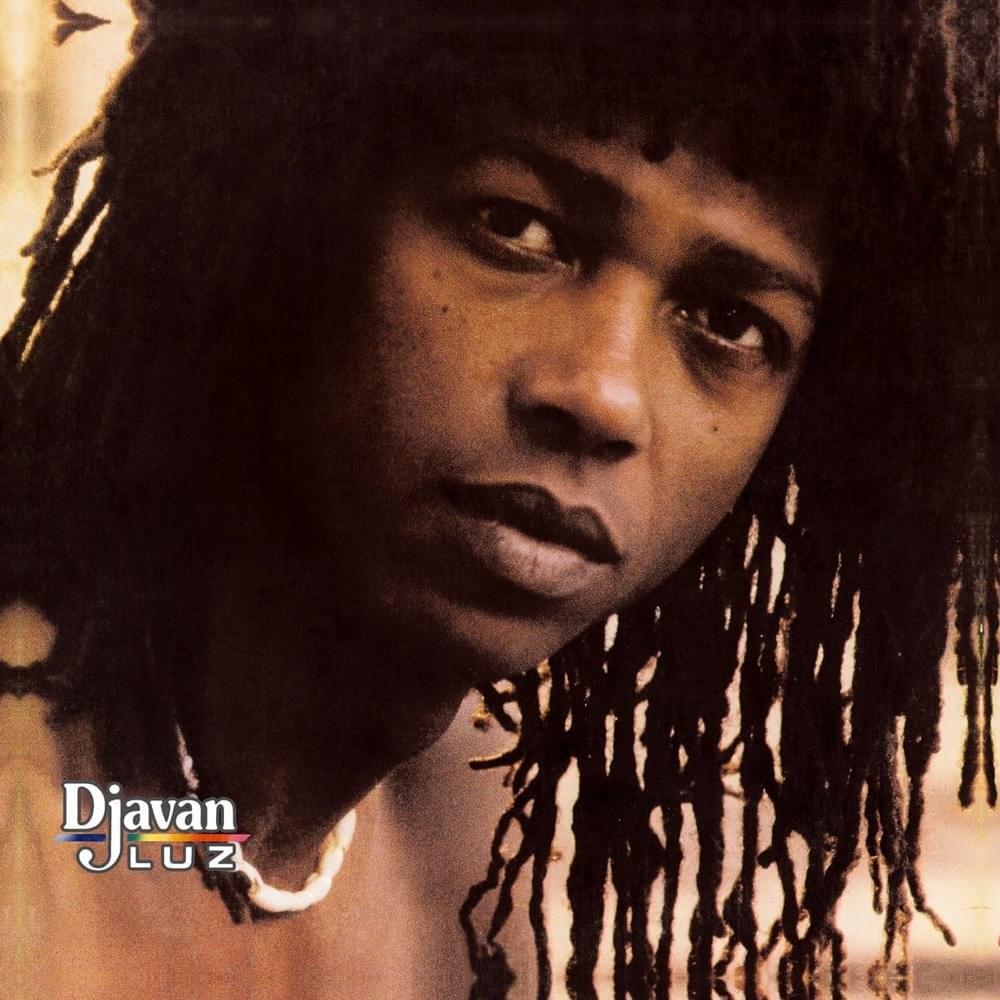
 View Artist