Song Meaning
This song paints a picture of absolute devotion, where the narrator's entire world revolves around a single person. The opening lines declare a willingness to do anything, even offering the vast sea, a fisherman's lifeblood, as a testament to the depth of their desire. It's a bold, almost hyperbolic statement of commitment, setting a tone of overwhelming adoration from the outset. The narrator frames everything, even the fundamental elements of life like the sea, through the lens of this singular relationship, suggesting it's the ultimate measure of all things.
The core tension lies in the narrator's profound dependence and vulnerability. They question their own worth to the other person, asking "Se sou pouco ou nada" (If I am little or nothing), yet immediately dismiss the need for an answer, stating "Não me diga nada" (Don't tell me anything) and "Magoar pra quê?" (Why hurt me?). This avoidance of potential pain stems from the stark realization that they "Não saberei viver sem você" (I won't know how to live without you). This dependency creates a fragile emotional state, where the mere absence of the beloved renders the narrator incapable of functioning.
The lyrics effectively use imagery of desolation to convey the impact of this absence. Without the other person, days are "dias sem céu" (days without sky), and places lose their color and appeal, becoming "Casas sem cor, nenhum lugar" (houses without color, no place) the narrator wishes to visit. This stark contrast between the vibrant world offered in the beginning and the colorless void described later highlights the all-encompassing power the beloved holds over the narrator's perception of reality. The repeated refrain, "Vem me Abalar" (Come shake me), coupled with the paradox of "As mãos frias de amor / Aquecendo as minhas mãos" (The cold hands of love / Warming my hands), creates a compelling emotional paradox, suggesting a love that is both overwhelming and deeply comforting.
Ultimately, the song's power comes from its raw, unvarnished expression of complete surrender. The narrator doesn't just love this person; they are fundamentally defined by them. The repeated plea to be shaken, to be affected by the beloved's presence, underscores a desire for connection so profound that it borders on an existential need. The imagery of lightens in the chorus, with the beloved as "Dona da luz / Que invade o meu coração" (Owner of the light / That invades my heart), offering a sense of salvation and purpose that makes the earlier declarations of devotion feel less like hyperbole and more like a desperate, heartfelt truth.
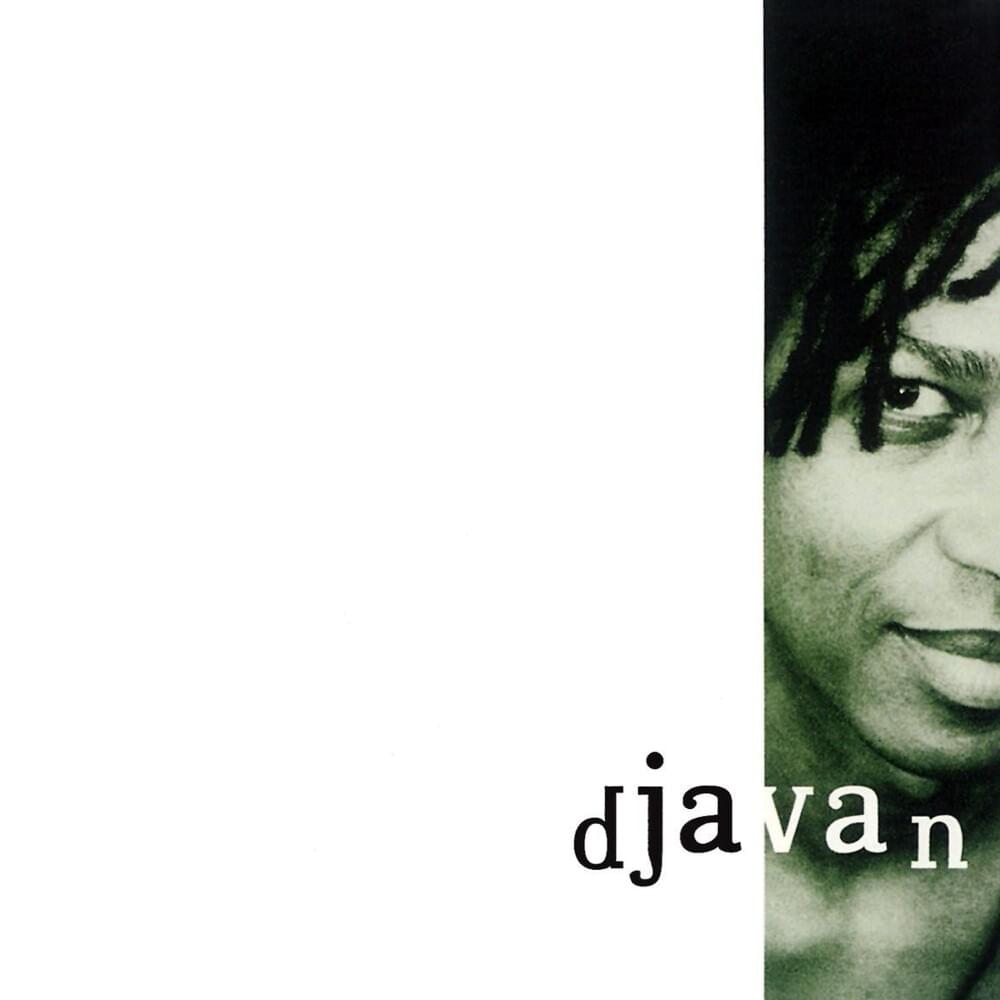
 View Artist