Song Meaning
The song opens with a serene natural scene, a stark contrast to the intense, almost violent imagery that follows. "A manhã me socorreu" (The morning rescued me) sets a tone of gentle awakening, painted with "flores e aves / Suaves, soltas, em asa azul" (flowers and birds / Soft, loose, in blue wing). This idyllic image is immediately juxtaposed with a speaker grappling with a powerful, consuming love. The narrator questions the silence of inanimate objects, "Diz que pedra não fala" (They say stone doesn't speak), only to pivot to the overwhelming presence of a lover who "Me queima na sua cama" (Burns me in your bed). This love is described with sensory details like "O veludo da fala" (The velvet of speech) and the disarming effect of a "bala" (bullet or candy), suggesting both pleasure and danger.
The central tension lies in the speaker's loss of self and voice under the influence of this intense affection. The lover is compared to a divine figure, "disfarce de Zeus" (disguise of Zeus), and their presence is so profound that it erases the speaker's thoughts, making them forget "O que ia dizer" (What I was going to say). This lover is the source of all light, "Claridade de um novo dia / Não havia sem você" (Clarity of a new day / Didn't exist without you), yet their arrival causes a complete mental blank, a surrender of agency.
The lyrics employ a fascinating blend of the sublime and the mundane to convey this overwhelming emotion. The image of a lone "intérprete tocando Blues" (interpreter playing Blues) in "tristes terras" (sad lands) at the end of a steep decline, "essa ladeira" (this slope), is particularly striking. It suggests a melancholic, possibly solitary journey, questioning what remains about the purpose and destination of this emotional descent. The repetition of "O que há pra falar" (What is there to say) underscores a sense of helplessness and an inability to articulate the profound impact of this love, leaving the speaker adrift in a bluesy, uncertain landscape.
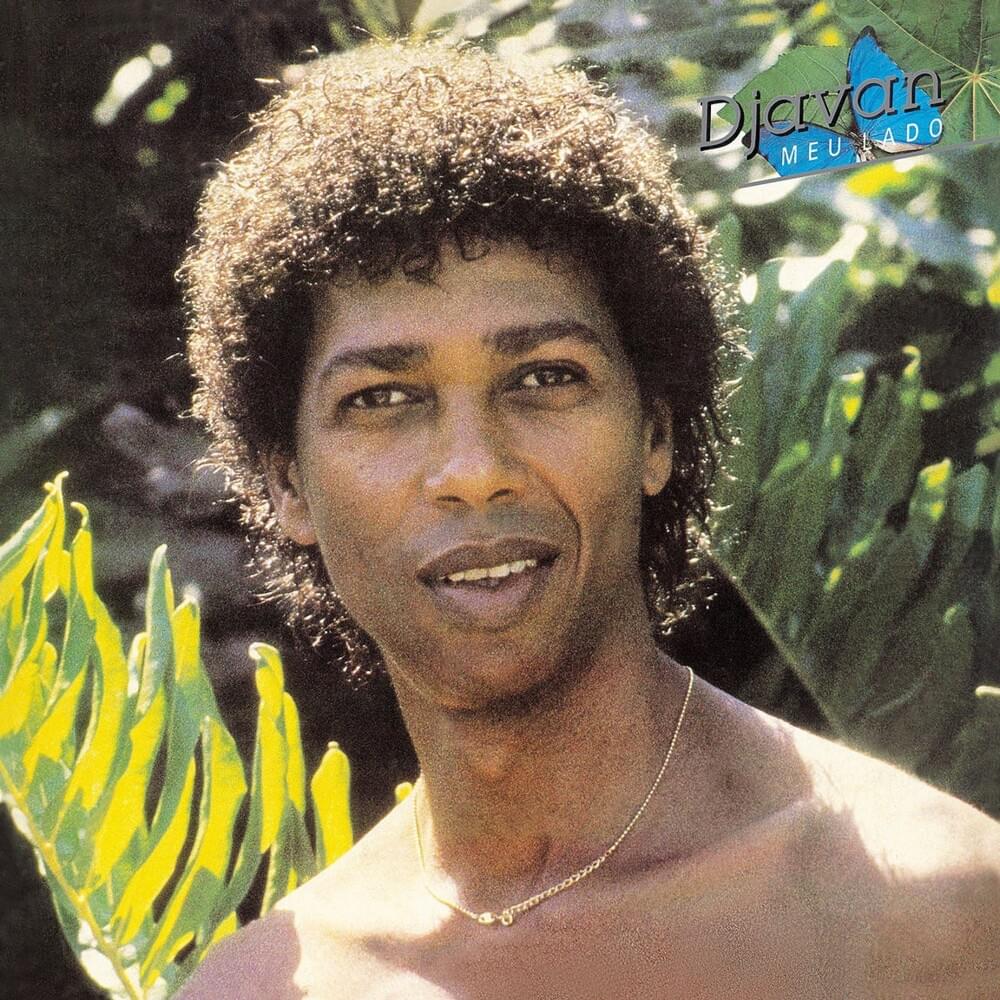
 View Artist