Song Meaning
{"song_id": 12104216, "meaning": "D.J. Rogers's \"It's All Over\" isn't just a breakup song; it’s an autopsy of a relationship, delivered with the somber resignation of a physician pronouncing time of death. There's a brutal honesty in the admission, \"You and me have tried to live together/We forced ourselves, but it still won't work.\" This isn't about blame or betrayal, but a mutual exhaustion, the kind that sets in when the life support system of 'hope' flatlines, leaving behind only the hollow shell of what once was. The repetition of \"It's all over\" isn't celebratory or angry; it’s a mantra of acceptance, a reluctant surrender to the inevitable. Rogers isn't just stating a fact; he's trying to internalize it, to convince himself and his partner that clinging on is a futile exercise in self-deception.
The genius of the song lies in its emotional restraint. Rogers avoids histrionics, opting instead for a tone of weary finality. The almost conversational delivery suggests a conversation long overdue, a necessary evil to sever ties. The line, \"Maybe we can patch things up/Oh, but what's the use girl/Haven't we saw enough, enough,\" encapsulates the core of the song's meaning. It acknowledges the tempting allure of reconciliation, the 'what ifs' that plague every breakup, but ultimately dismisses them as fantasies. They've reached the limit of their capacity to compromise and the relationship has run its natural course.
The outro, with its repeated declaration and the bittersweet confession, \"I still love you, baby…\", adds a layer of complexity. It acknowledges the lingering affection, the ghost of a love that once burned brightly. This isn't a clean break; it’s a messy, human ending, tinged with sadness and regret. The song’s meaning resides not just in the ending of the relationship, but the acknowledgement of the shared history and the difficulty of letting go, even when it’s the only logical choice. It's a stark reminder that love, even when it fades, leaves an indelible mark."}
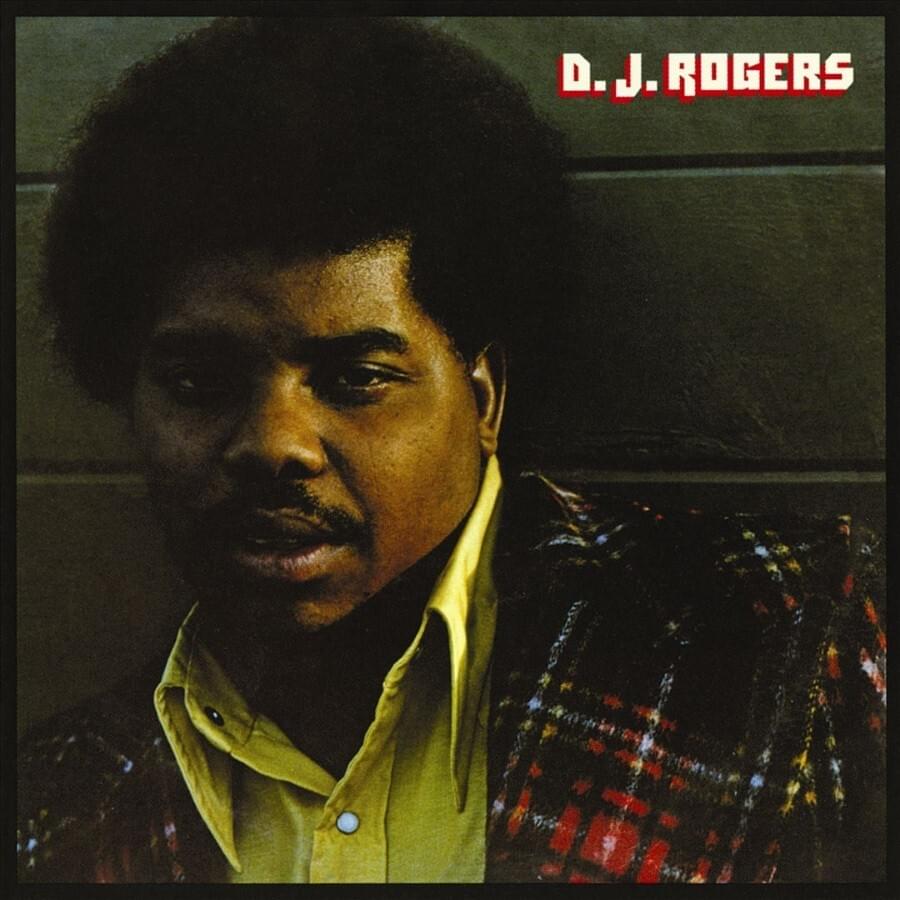
 View Artist