Song Meaning
The lyrics paint a picture of someone repeatedly drawn to a love interest who consistently underwhelmed them, leading to a cycle of disappointment. The narrator recounts a history of being overlooked, of running to someone who never found them "enough," and who seemingly sought validation elsewhere. This sets up a narrative of dashed hopes and a persistent feeling of being on the outside looking in, despite their own eagerness to connect.
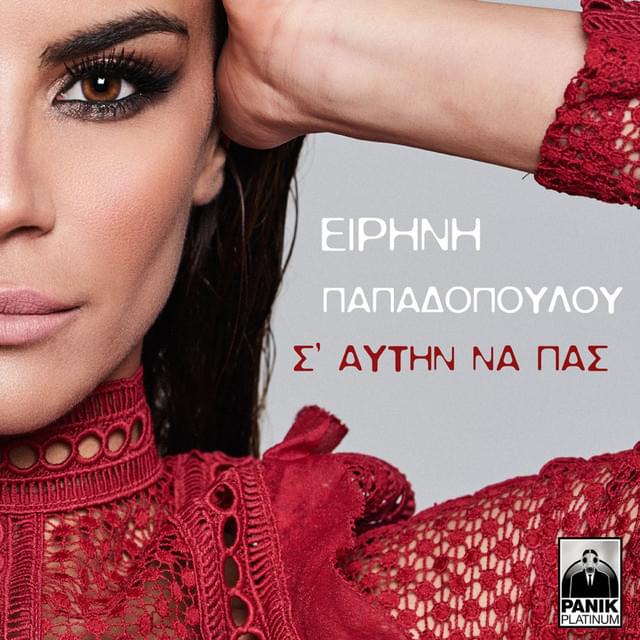
The central tension arises from the narrator's newfound resolve versus the lingering sting of past neglect. The repeated command, "Σ' αυτήν να πας" (Go to her), directed at the love interest, drips with a bitter irony. It’s a dismissal disguised as advice, pushing the object of their affection towards someone else, likely the "her" they claim to love. This chorus highlights the narrator’s painful realization that their own affections were never reciprocated with the same intensity, and that the love interest’s declarations of love were perhaps misplaced or insincere.
The most striking aspect is the stark contrast between the narrator's past eagerness and their present, hardened stance. Initially, they describe themselves as someone who would "run" at the slightest invitation, only to be deemed insufficient. Now, they project a future where the love interest will regret their choices, pleading for a return that will be met with a definitive "too late." This shift from hopeful pursuit to resolute rejection is the core of the song's emotional arc, driven by the sting of being undervalued.
Ultimately, the lyrics resonate because they capture the complex emotional aftermath of unrequited or undervalued love. The narrator’s journey from hopeful devotion to a powerful, almost vengeful, detachment is compelling. The repeated, cutting refrain serves as a cathartic release, transforming past pain into a declaration of self-worth and a firm boundary, suggesting that true strength is found not in chasing, but in walking away when you’ve been consistently left behind.
 View Artist