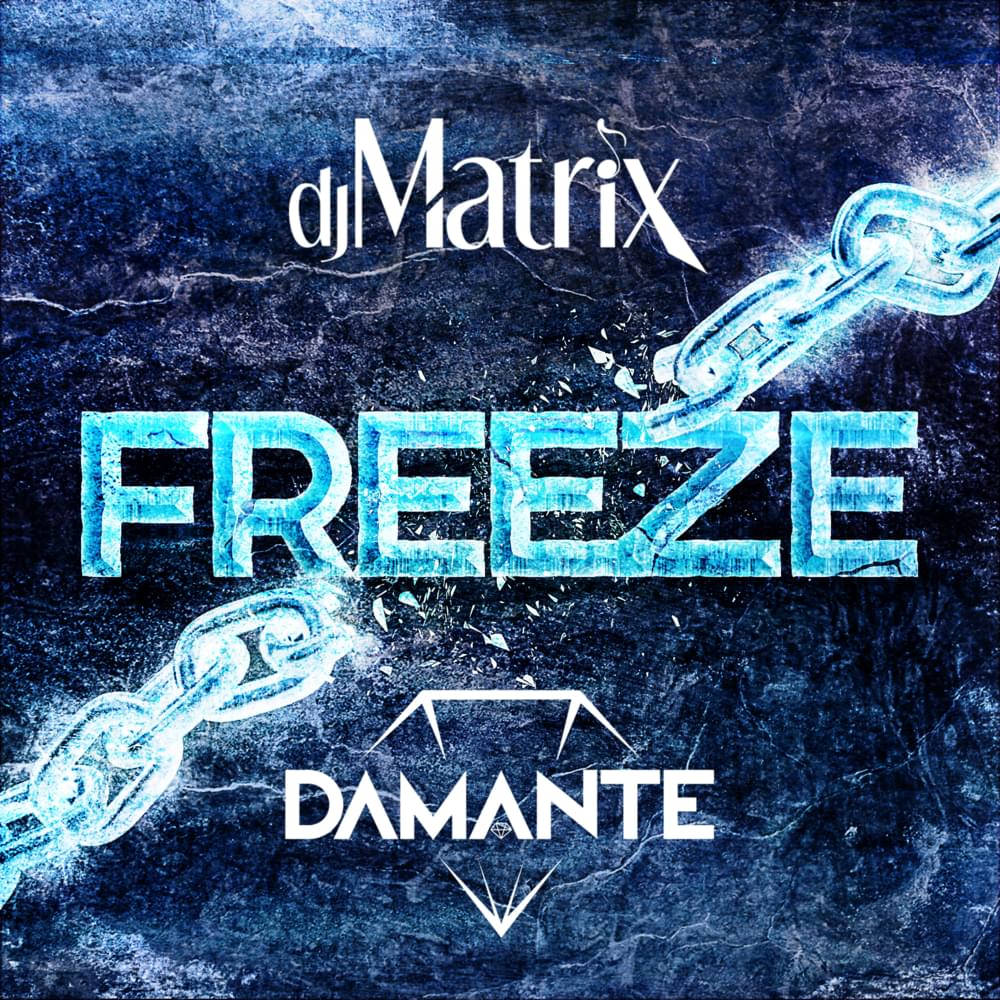
Song Meaning
The lyrics paint a picture of being trapped, a state of anxious paralysis where time seems to halt. The repeated command to "Freeze" acts as a stark instruction, a demand to remain still amidst external pressures. This isn't just a moment of pause; it's an enforced stillness, especially when contrasted with the desire for time to "riparta" (start again) and the urgent need for "cassa" (cash or perhaps a beat/energy). The initial calm is a thin veneer over rising anxiety, setting a tense emotional stage.
The central conflict appears to be between an oppressive external force and the individual's struggle to maintain agency. The "rumori da dietro la tenda" (noises from behind the curtain) and the "Signorini che dà la sentenza" (Mr. [like in Big Brother] who gives the sentence) suggest a surveillance or judgment from an unseen authority. The narrator is confined "Dento la casa di Cinecittà" (inside the house of Cinecittà, a nod to film studios and potentially the reality show Big Brother), forced to "stare fermo" (stay still) under the "occhio del Grande Fratello" (eye of Big Brother). This creates a feeling of being watched and controlled, where any deviation could have dire consequences.
The most striking craft element is the pervasive use of the "Freeze" command, amplified by the repetition and the threat of remaining "freezato per tutta la vita" (frozen for all of your life). This isn't just about pausing; it's about a complete cessation of movement and progress, a state of existential stasis. The lyrics cleverly blend the literal act of freezing with a metaphorical entrapment, suggesting that inaction or succumbing to external control leads to a permanent state of being stuck. The phrase "Troppi re per un solo castello" (Too many kings for one castle) hints at internal conflict or too many competing forces vying for control within this confined space.
Ultimately, these lyrics resonate because they capture a palpable sense of being overwhelmed and immobilized by forces beyond one's control. The stark, almost clinical instruction to "Freeze" contrasts sharply with the underlying anxiety and the desperate plea for time to move forward. The writing effectively uses the imagery of confinement and surveillance to evoke a feeling of helplessness, making the repeated command a powerful expression of this suffocating pressure. The final ultimatum, "Ora schiocca le dita o rimani freezato per tutta la vita" (Now snap your fingers or remain frozen for all your life), leaves the listener with a chilling sense of consequence for inaction.