Song Meaning
The narrator is witnessing the definitive end of a relationship, marked by a final departure. There's a palpable sense of resignation, as the line "Oči tvoje gube sjaj" (Your eyes lose their shine) suggests a fading connection and the inevitable conclusion. Despite the pain, the narrator claims a lack of blame or anger: "Nisam kriv, a nisam ljut" (I'm not guilty, and I'm not angry), setting a tone of somber acceptance rather than fiery conflict.
The emotional core of the song lies in this quiet devastation. The scene shifts to a desolate riverside, "Pored rijeke pusto sve" (By the river, everything is empty), where only shadows "vole se" (love each other). This imagery creates a stark contrast between the narrator's loneliness and the lingering, albeit spectral, affection. The self-deprecating comparison "Gledam tužno kao pas" (I look sadly like a dog) and the bleak pronouncement "Nikad ništa od nas" (Nothing ever came of us) underscore a deep sense of failure and unfulfilled potential.
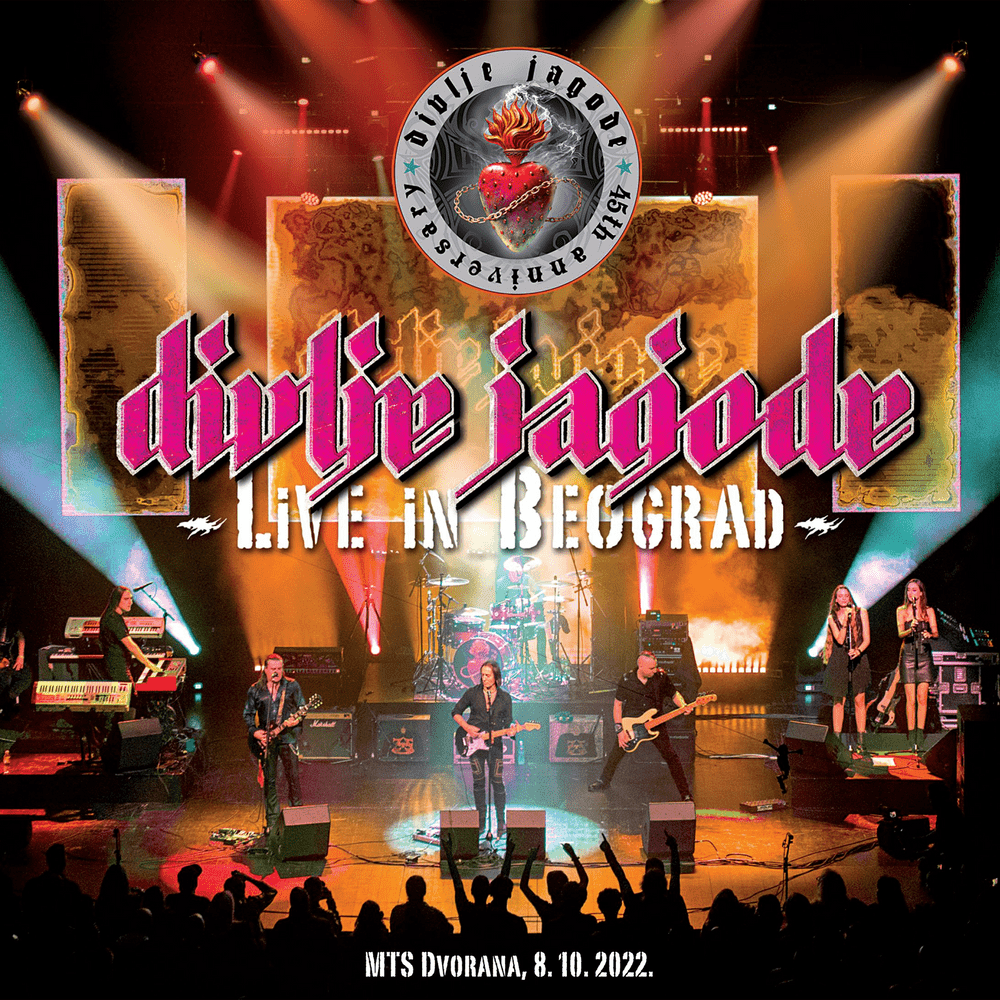
The repeated, almost desperate, invocation of "Šejla!" acts as the song's emotional anchor. It’s not just a name; it’s a cry, a plea, and a lament all rolled into one. The live performance amplifies this, with the crowd's echo "Šejla!" transforming the personal heartbreak into a shared, communal expression of loss. This communal echo, especially during the interludijum, suggests that Šejla's absence or the end of this relationship resonates beyond the narrator's immediate pain.
What makes these lyrics so effective is their directness and the raw emotional honesty. The narrator doesn't shy away from the finality of the situation or their own feelings of sadness and inadequacy. The stark imagery and the simple, repetitive chorus combine to create a powerful portrait of heartbreak, where the absence of love is felt as keenly as its presence once was.
 View Artist