Song Meaning
This song paints a vivid picture of a love that transcends time and separation. The narrator welcomes back a long-lost love, emphasizing that this person has always been a constant presence, even when physically apart. The opening lines, "Seasons, winters, autumns / You were always inside me," immediately establish a deep, internal connection that time couldn't break. The repeated phrase, "Time separated us / And reunited us again," underscores the cyclical nature of their relationship and the inevitability of their reunion. The narrator's declaration, "It's all in vain, I'm crazy for you," reveals an enduring obsession that has persisted through the years.
The core tension lies in the narrator's unwavering devotion despite prolonged absence. The lyrics suggest a fated connection, with love arriving "like destiny written on my palm." This isn't just a fleeting romance; it's presented as a profound, almost spiritual bond that has weathered the storms of life. The narrator acknowledges that "everything could have happened to us," hinting at potential hardships or missed opportunities, yet their certainty of the loved one's whereabouts ("I always knew where you were") speaks to an almost psychic link.
The most striking aspect of the songwriting is its masterful use of repetition and contrast to convey the depth of longing and the joy of return. The refrain, "Welcome, love / Welcome, my only one / You returned to me well / After all these years," is a heartfelt exhalation of relief and affection. The bridge, with its parallel structure of negations – "Neither happiness, nor sadness / Without you, I have no other / Neither desire, nor will / Without you, I have no better" – powerfully illustrates how the narrator's existence feels incomplete without this specific person. This lyrical device highlights that their world is defined by this singular love.
Ultimately, the song's effectiveness stems from its raw, honest portrayal of enduring love and the profound relief of reunion. The narrator's persistent declaration of being "crazy for you" isn't desperate; it's a testament to a love that time and distance could not diminish. The simple, direct language, combined with the cyclical structure and the powerful imagery of destiny and internal presence, creates an emotional resonance that feels both deeply personal and universally understood. The final repetition of "Everything could have happened to us / I always knew where you were" leaves the listener with a sense of closure and the quiet certainty of a love that has finally found its way home.
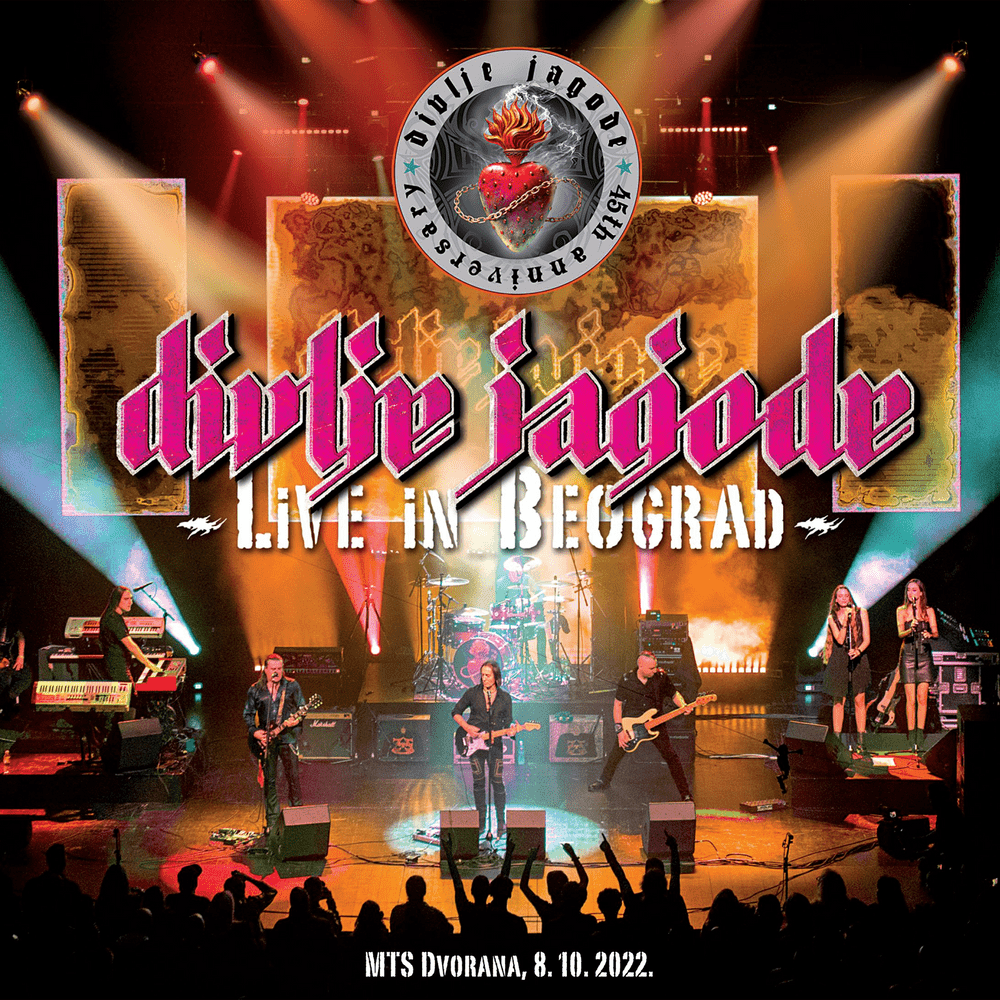
 View Artist