Song Meaning
The lyrics kick off with a defiant stance against external judgment, asserting personal freedom: "Have as many drinks you need." Yet, this freedom is immediately complicated by an intense, perhaps intrusive, focus from another person, making the narrator question their perceived "knowledge" of the narrator's inner life. The repeated "Right or wrong" hammers home a sense of unresolved conflict or a defiant acceptance of one's own choices, regardless of external validation.
The core tension seems to stem from this clash between the narrator's desire for unfettered self-exploration and another's persistent, almost predatory, interest. The narrator's mind is described as a "pleasant of unknownness" that the other person "roam[s] it like a wolf," suggesting an invasion of privacy or a misunderstanding of the narrator's internal landscape. This intrusion makes the narrator's words "uncomfortably cold," prompting a desire for altered states, perhaps through "herbs," to cope or escape.
The most striking element is the recurring, almost mantra-like, invocation of "cosmic flower." This phrase, initially attributed to the other person's mother, transforms into a complex descriptor. It seems to capture a unique, perhaps otherworldly, essence of the person being addressed – their "cosmic eyes," "cosmic fashion," and even their "wedding shoes / With the different colors." This elevates the individual beyond ordinary perception, linking them to a sense of wonder and elevated consciousness, especially as the narrator admits "you're so high / And so am I."
This lyrical tapestry is effective because it juxtaposes raw, almost abrasive, declarations of independence with a tender, almost mystical, idealization. The shift from the initial defensiveness to the repeated, almost reverent, "cosmic flower" creates a compelling emotional arc. It suggests that despite the friction and the invasive attention, there's a profound fascination and perhaps even love for the other person's unique, untamed spirit, a spirit that mirrors the narrator's own desire for transcendence.
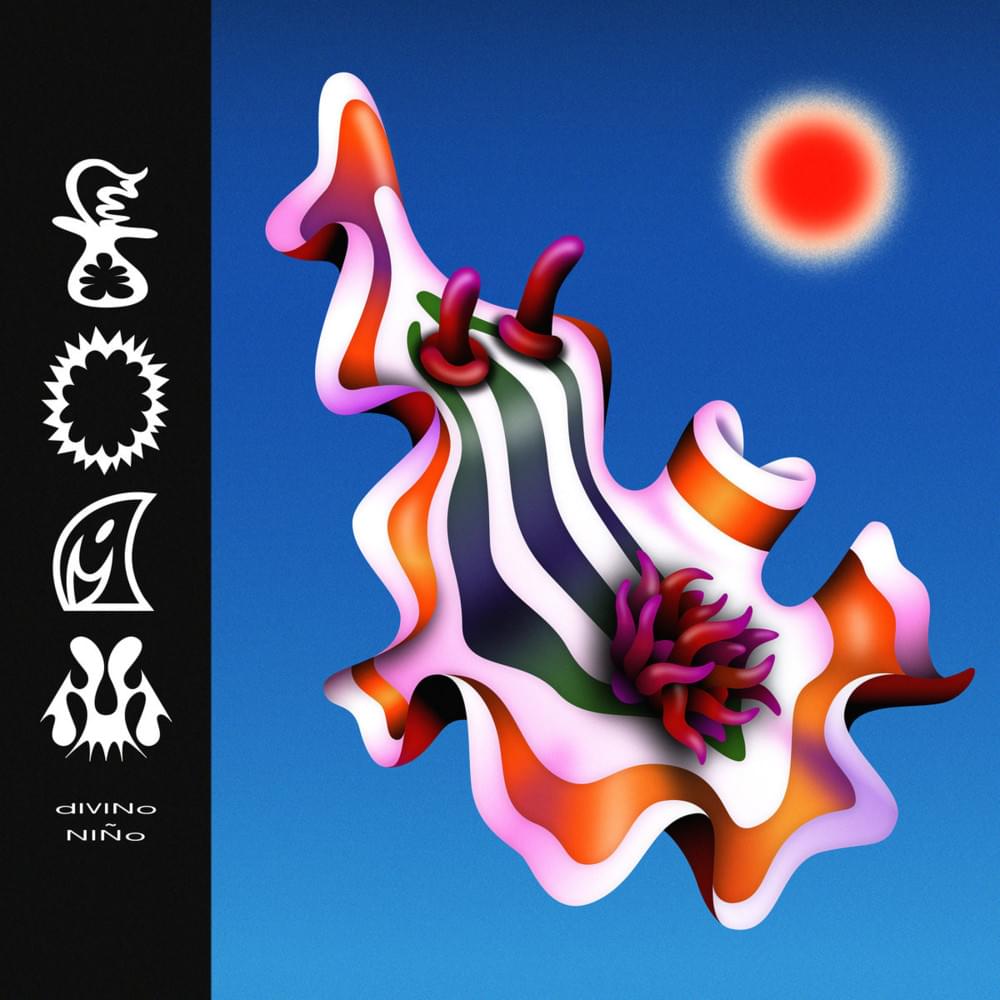
 View Artist