Song Meaning
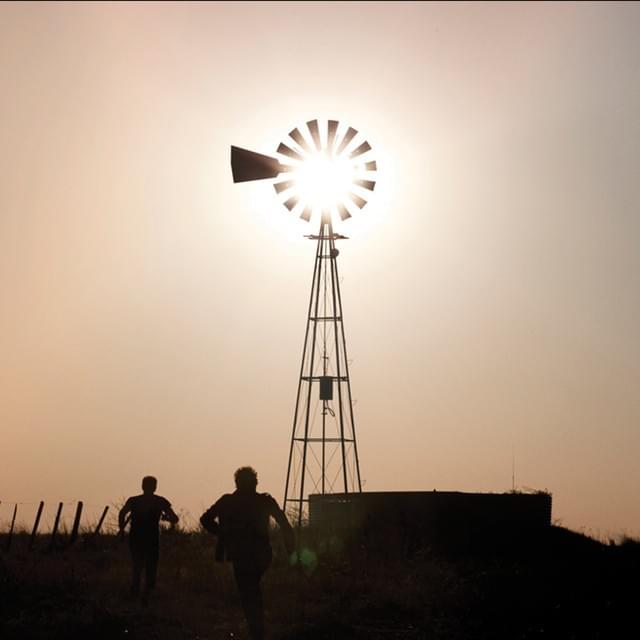
The narrator finds himself alone, a solitary figure by a "viejo tunal" (old prickly pear cactus), listening to the river sing towards the carnival. This scene is steeped in a profound sense of loneliness, yet hope accompanies him, personified as a companion in his solitude, especially when the wind, the "huairamuyoj," whistles through the salt flats. The imagery paints a picture of a desolate, yet somehow expectant, landscape.
The core of the lyrics reveals a deep-seated sorrow, a "pobre corazón" (poor heart) that once thrived like a "árbol bien coposo" (very leafy tree) but is now left "sin hojas, ni amor" (without leaves, nor love). This transformation from abundance to desolation highlights a profound loss, a state of being stripped bare. The narrator's pain is described as "pena enamorada, pena sin cesar" (enamored sorrow, ceaseless sorrow), a sorrow that actively seeks to become a "copla" (a verse of a song) just to make him cry, underscoring its persistent, almost self-aware nature.
The narrator's plea to the "chacarera" (a type of folk song or dance) to speak to the "flor azul" (blue flower) is particularly striking. He searches for this flower at night, guided by the "Cruz del Sur" (Southern Cross), suggesting a quest for something rare and perhaps unattainable, a symbol of lost beauty or love. This search, coupled with the lament "Cantar por cantar, cantando, sin ser escuchao" (Singing for the sake of singing, without being heard), reveals a deep yearning for connection and recognition that remains unfulfilled.
Ultimately, the lyrics resonate because they articulate a quiet, persistent heartbreak. The narrator's resignation is palpable as he "acomodo con mi perro solito a pitar" (settles with my dog alone to smoke/play a pipe). It's a stark portrayal of enduring loneliness, where even the act of singing becomes a solitary ritual, a way to process a sorrow that has become an intrinsic part of his existence, forever searching for a lost "flor azul" under the vast night sky.
 View Artist