Song Meaning
The lyrics paint a picture of a solitary, aimless wanderer navigating a desolate urban landscape. The opening lines establish a nocturnal, almost dreamlike atmosphere, with the narrator as a "Boyar nocturno" (nighttime boyar) and "Pincel de luna" (moon brush), suggesting an artistic or observant role, yet one adrift, "sin rumbo" (without direction). The presence of cognac grounds the scene in a tangible, perhaps melancholic, indulgence, a common companion to late-night contemplation.
The core of the song seems to reside in a profound sense of disillusionment and existential emptiness. The city is depicted as lacking fundamental elements: "sin paz, sin fe" (without peace, without faith), and crucially, "Sin voz, sin vos" (without voice, without you). This final phrase hints at a lost connection, a missing person or ideal that amplifies the narrator's isolation. The "lamento de cartón" (cardboard lament) of a "mundo sin pared" (world without walls) evokes a fragile, exposed existence, where even fundamental structures of meaning or protection are absent.
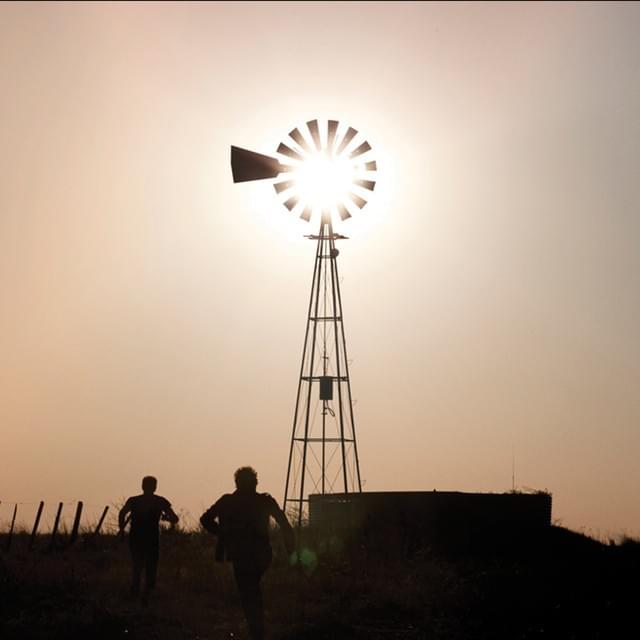
The repeated imagery of "correr" (to run) highlights a frantic, yet ultimately futile, pursuit. The narrator runs "por todo" (for everything) only to "llegar por nada" (arrive at nothing), a stark contrast that underscores the futility of their efforts. This desperate motion, "Correr más, más, más" (Run more, more, more), is devoid of purpose, culminating in "Correr sin amor" (Run without love). The question of whether they can finally "flotar de libertad" (float in freedom) hangs in the air, a fragile hope amidst the pervasive sense of being trapped and unfulfilled.
What makes these lyrics resonate is their stark portrayal of urban alienation and the search for meaning in a seemingly hollow world. The juxtaposition of grand imagery like "Boyar nocturno" with the mundane "Zaguán hacia el bar" (hallway towards the bar) and the raw vulnerability of "lamento de cartón" creates a powerful emotional texture. The repetition of the city's deprivations – "sin paz, sin fe, sin voz, sin vos" – hammers home the depth of the narrator's isolation and the profound lack they feel.
 View Artist