Song Meaning
The lyrics paint a picture of fierce protection, a parental or guardian figure determined to shield their grandson from external influences and perceived harm. There's a strong sense of heritage and self-reliance being instilled, urging the son to "stand son on your own bone" and remember "the home that you came from." This protective stance extends to rejecting "medicine" and "Bell and Edison," suggesting a distrust of modern or external interventions that might alter or control the grandson's path. The narrator wants to preserve a specific lineage and identity, telling the son, "Don't let them say your name wrong."
The core tension arises from this dual impulse: to fiercely guard and preserve, while also demanding independence and authenticity. The phrase "unbearable likeness" hints at a fear of the grandson becoming too much like something undesirable, perhaps something the narrator has fought against. This struggle is framed through a series of intense, almost combative metaphors. The line "Just like Larry, I'll take it to the hoop" evokes a decisive, aggressive move, while "one false move in one fell swoop" suggests high stakes where a single error has immediate, drastic consequences. The subsequent "pass it to the trigger man" implies a readiness for decisive action, a willingness to delegate or involve others in a critical moment.
The repeated, almost chant-like refrain of "131-XHD / I got my beautiful dutiful cargo 250" is particularly striking. While its literal meaning is obscure, the description of the "cargo" as "beautiful" and "dutiful" suggests it represents something precious and essential being transported or guarded. This could be the grandson, a legacy, or a vital principle. The contrast between the sterile, coded "131-XHD" and the deeply personal "beautiful dutiful cargo" highlights the narrator's intense focus on safeguarding what they value, even if it means engaging in potentially dangerous or clandestine operations, as hinted by "dispatch with a quickness."
Ultimately, the effectiveness of these lyrics lies in their raw, urgent tone and the vivid, if abstract, imagery of defense and preservation. The narrator's voice is one of unwavering resolve, driven by a deep-seated need to control the narrative and protect their lineage from corruption or loss. The blend of domestic concern with aggressive, almost military-like language creates a compelling portrait of a guardian at war, determined to ensure the future is built on a foundation of their own making.
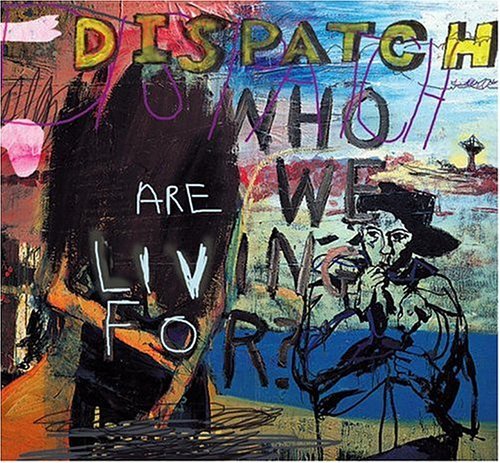
 View Artist