Song Meaning
The lyrics paint a stark picture of economic hardship and moral compromise. We open on an "old man" working a "ten hour day" with "not a dime to spare," his "pawn shop horn" a symbol of his limited means. This sets a tone of struggle, immediately contrasted with the narrator's own burdens: "more coal to fire / And another soul to feed." This isn't just about personal poverty; it's about the weight of responsibility in a world that offers little.
The narrative then shifts to a "little old lady" who leaves the scene, her "purse was filled" but "silver unsold." This detail is peculiar – a full purse but unsold goods suggests a failure to convert assets into usable cash, perhaps hinting at a deeper disconnect or an inability to navigate the market. Her silence, "nothing to say / Despite her allegiances," adds a layer of mystery, implying a suppressed voice or a resignation to her circumstances.
The lyrics take a sharp turn with the introduction of a "bling squirrel" needing a "nut," a bizarre image that seems to comment on the absurdity of desire or the basic needs that drive even the ostentatious. This leads to a confrontational tone: "if you open up your mouth / You better shut that." The phrase "It's never ever gonna go away" coupled with the resigned "I'm homeless, God bless, good day" encapsulates a feeling of inescapable, public despair.
The core tension arises in the hypothetical exchange: "Would that I were you / Would I be free? / And would that you were me / Would you burn or flee?" This question probes the perceived freedom of others and the potential for suffering in different shoes. The final lines, "The blood is on your hands / You've got it on your feet," directly accuse the listener or an implied antagonist, suggesting complicity in the suffering depicted. The "first is in the air / And somewhere in between" leaves the source of this 'blood' ambiguous, a lingering stain on existence itself.
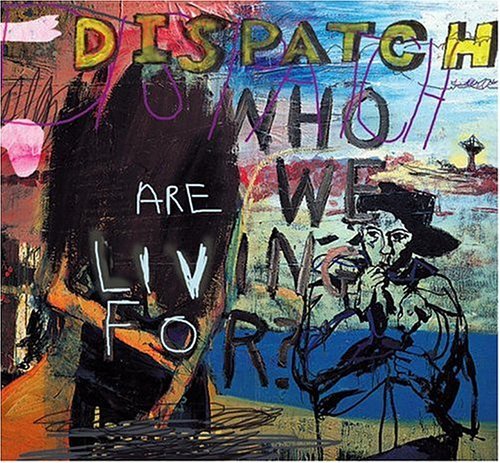
 View Artist