Song Meaning
The lyrics paint a stark contrast between the gritty reality of a nighttime heist and the refined world of art. The opening lines, "Night, knife, three brass knuckles / Sleep wanders through the blocks," immediately establish a tone of danger and illicit activity. This is juxtaposed with the image of "three aesthetes" in a museum, seemingly orchestrating the acquisition of a "million." The recurring phrase "Money melts in the wallet / Melts like fog" suggests the ephemeral nature of wealth, while the direct translation "money means 'mani'" grounds the abstract concept in a more visceral, perhaps even primal, desire.
The central tension lies in the narrator's self-perception and their relationship with wealth and art. They declare, "We're not asking for semolina porridge," rejecting a life of simple sustenance for something grander. The repeated assertion, "We are not people, but pockets / And pockets, as is known, need money," is a striking declaration of identity. It suggests that their primary function, their very essence, is to accumulate wealth, reducing their humanity to mere vessels for financial gain. This is further emphasized by the line, "We are humane enough and tender," which, given the context of crime, reads as deeply ironic.
The most compelling craft element is the deliberate wordplay and the subversion of artistic creation. The narrator states, "We know the business, see the root - / We don't steal petty cash." Instead, they claim, "We don't create art / We 'create' it," using a neologism that implies a forceful, perhaps even violent, appropriation of art rather than genuine creation. This clever twist highlights their role as thieves who seize, rather than produce, value. The imagery shifts from street-level violence with "revolvers" and "watchmen dying of fear" to the passive acquisition of "Appollos and Venuses" that "float into our hands."
These lyrics resonate because they articulate a cynical, almost nihilistic, view of ambition and value. The narrator's blunt self-identification as "pockets" needing money, coupled with their claim to a distorted form of art acquisition, creates a powerful, unsettling portrait. The juxtaposition of violent crime with the world of high art, and the ironic use of terms like "humane" and "tender," forces the listener to confront uncomfortable questions about desire, possession, and the true meaning of creation.
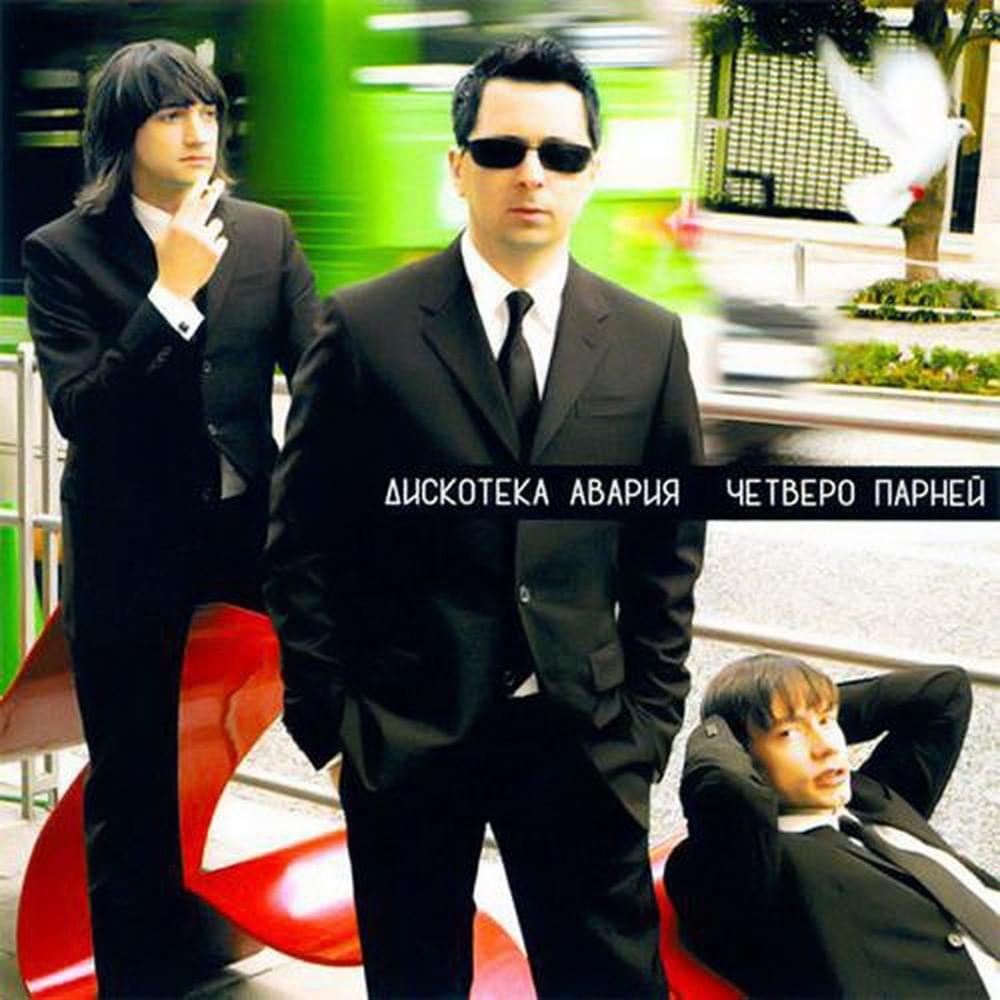
 View Artist