Song Meaning
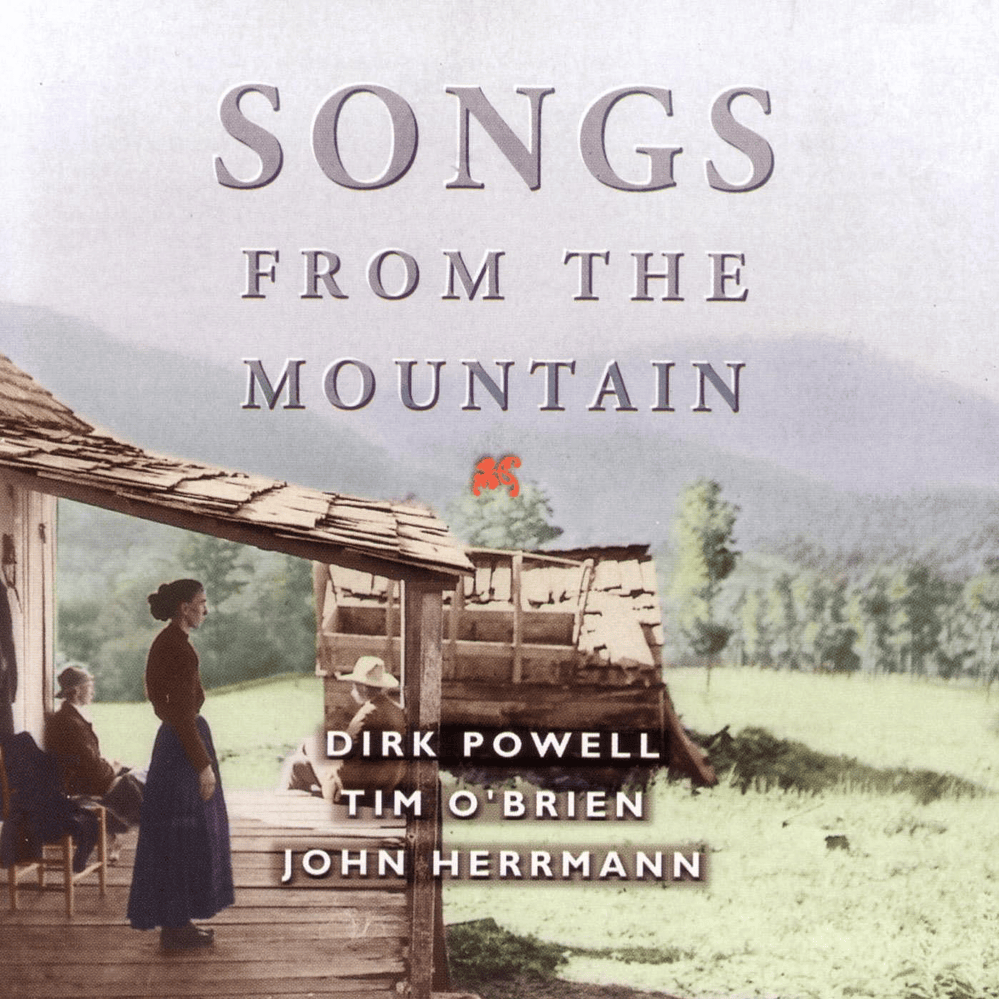
Tim O'Brien's rendition of "Raleigh And Spencer" isn't just a bluegrass lament; it’s a stark portrait of self-destruction couched in the fatalistic humor of Appalachian folk. The repeated refrain, "Raleigh and Spencer was burning down / There ain't no liquor in this town," immediately establishes a setting of deprivation and societal decay, whether literal or metaphorical, with the absence of liquor acting as a catalyst for the speaker's downward spiral. It's a potent image—a town ablaze, yet the true fire is the internal inferno of addiction. The lack of alcohol isn't a mere inconvenience; it's a trigger, pushing the protagonist toward increasingly desperate measures.
The lyrics reveal a man willing to sacrifice everything for a drink. "I'll pawn you my shoes for a little bottle of booze / I'll drink it down and lay right down and die" lays bare the depth of his addiction, a willingness to embrace oblivion. This isn't a casual desire; it's a death wish fueled by dependency. Further verses like "I'll eat more chicken that a pretty gal can fry / I'll tell you more doggone lies" suggest a character steeped in vice, beyond just alcohol. The lying could be interpreted as a symptom of the addiction, a way to manipulate and obtain what he craves, or simply an ingrained aspect of his character, amplified by his circumstances.
The bleakness is somewhat tempered by a defiant resilience, a dark humor that pervades the song. The lines "I'll eat more fat meat that you can cook in a week / I'll never get to heaven when I die" acknowledge a life lived outside the bounds of morality, yet without repentance. Even in death, there's a stubborn refusal to be defeated: "You can tramp down the flowers all around my grave side / They'll rise and bloom again." This final image suggests a cyclical nature to life and perhaps even to addiction itself – a temporary suppression, but an eventual resurgence. The song, therefore, becomes a meditation on the destructive power of addiction, but also on the enduring, if flawed, spirit of humanity that persists even in the face of ruin.
 View Artist