Song Meaning
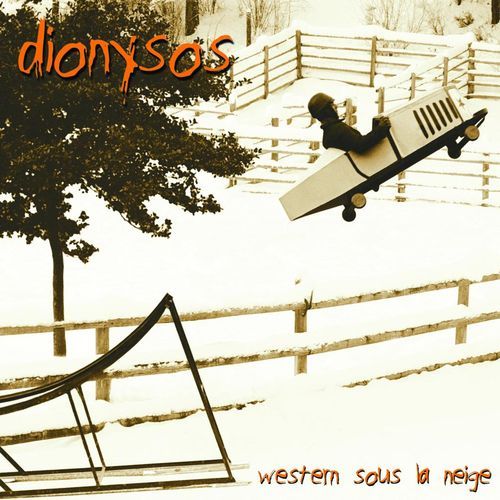
The lyrics paint a surreal, almost darkly playful scene: the narrator imagines attending their own funeral, not as a mourner, but as an active participant, skateboarding amongst the graves. This immediate image sets a tone that is both morbid and strangely liberating, suggesting a detachment from the solemnity of the occasion. The phrase "Déguisé en pas moi" (Disguised as not me) becomes a recurring motif, hinting at an identity that is either hidden or perhaps already lost, even in death.
The core tension seems to lie in this performative absence. The narrator observes the rituals of grief – the "mouchoirs en papier" (paper handkerchiefs) and the mingling of "yeux" (eyes) – with a quiet, detached curiosity. This isn't a lament; it's an almost anthropological study of mourning, conducted by someone who is technically present yet fundamentally removed, "tranquillement" (calmly) moving through the scene.
The most striking element is the persistent, almost whispered repetition of being "Disguised as not me." It creates a disquieting sense of self-estrangement. Is this a desire to escape the finality of death, to observe one's own end from an outsider's perspective, or a commentary on how one is perceived even in life? The act of skateboarding, an activity associated with youth and rebellion, juxtaposed with the stillness of a cemetery and the act of attending one's own funeral, amplifies this feeling of being out of place, even in the ultimate place of rest.
This lyrical approach is effective because it uses stark, unexpected imagery to evoke a complex emotional state. The contrast between the active, almost flippant image of skateboarding and the passive, somber reality of a funeral creates a unique kind of gallows humor. The narrator's calm observation of grief, while disguised, suggests a profound commentary on presence, absence, and the performance of self, even when the self is supposedly gone.
 View Artist