Song Meaning
The narrator's head is a literal ashtray, a stark image of mental clutter and discarded aspirations. "Dead dreams dress in gray," suggesting a pervasive sense of loss and a muted emotional landscape. The repeated phrase "Je reviens du clac" followed by a shift to "Je reviens au clic!" or "Je reviens à l'horloge!" implies a cyclical return to a harsh reality or a mechanical, unfeeling existence after a moment of collapse or breakdown.
The central tension here is a profound death wish, explicitly stated as "Je veux mourir!" This desire seems to stem from the overwhelming weight of their mental state and the perceived futility of their existence. The insistent repetition of "Tu sais ce que je veux!" amplifies this desperation, as if the narrator feels unseen or unheard in their profound suffering, yet simultaneously believes their internal state is obvious.
The most striking craft element is the persistent, almost suffocating repetition. The ashtray metaphor grounds the abstract feeling of mental exhaustion in a tangible, grimy image. The contrast between the "clac" (a sound of breaking or falling) and the "clic" or "horloge" (mechanical, time-bound) highlights a transition from a moment of crisis to a resigned, perhaps automated, continuation of life. The repeated assertion that "shadows cannot follow me in the night" offers a fleeting, paradoxical sense of agency or escape, even within the context of wanting to die.
These lyrics hit hard because they bypass nuance for raw, visceral expression. The bluntness of the ashtray image and the direct plea to die create an immediate, uncomfortable intimacy. The cyclical structure and repetition mirror the feeling of being trapped, making the narrator's despair feel inescapable and deeply felt, even as the final lines offer a sliver of defiant, albeit dark, self-preservation.
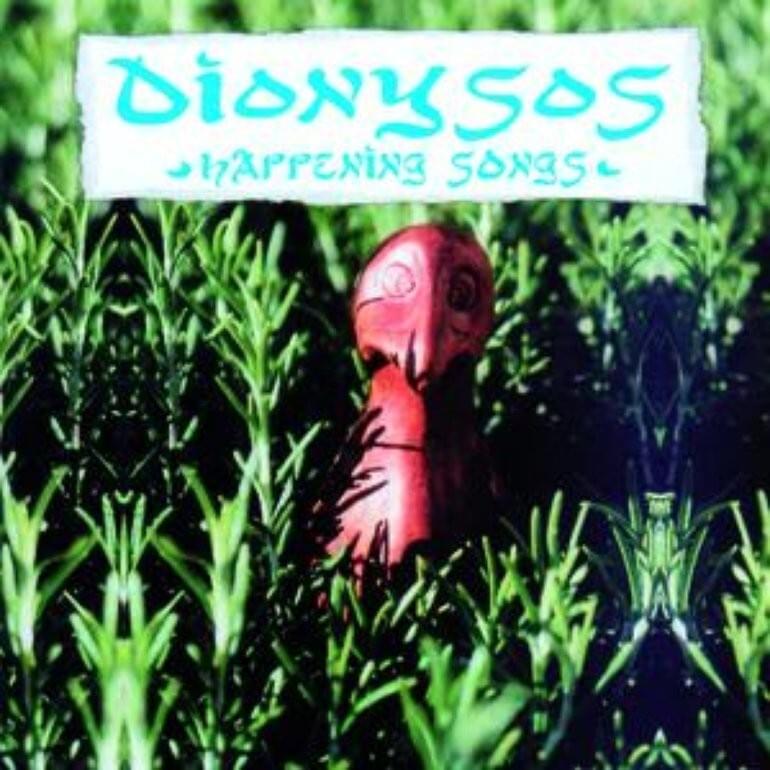
 View Artist