Song Meaning
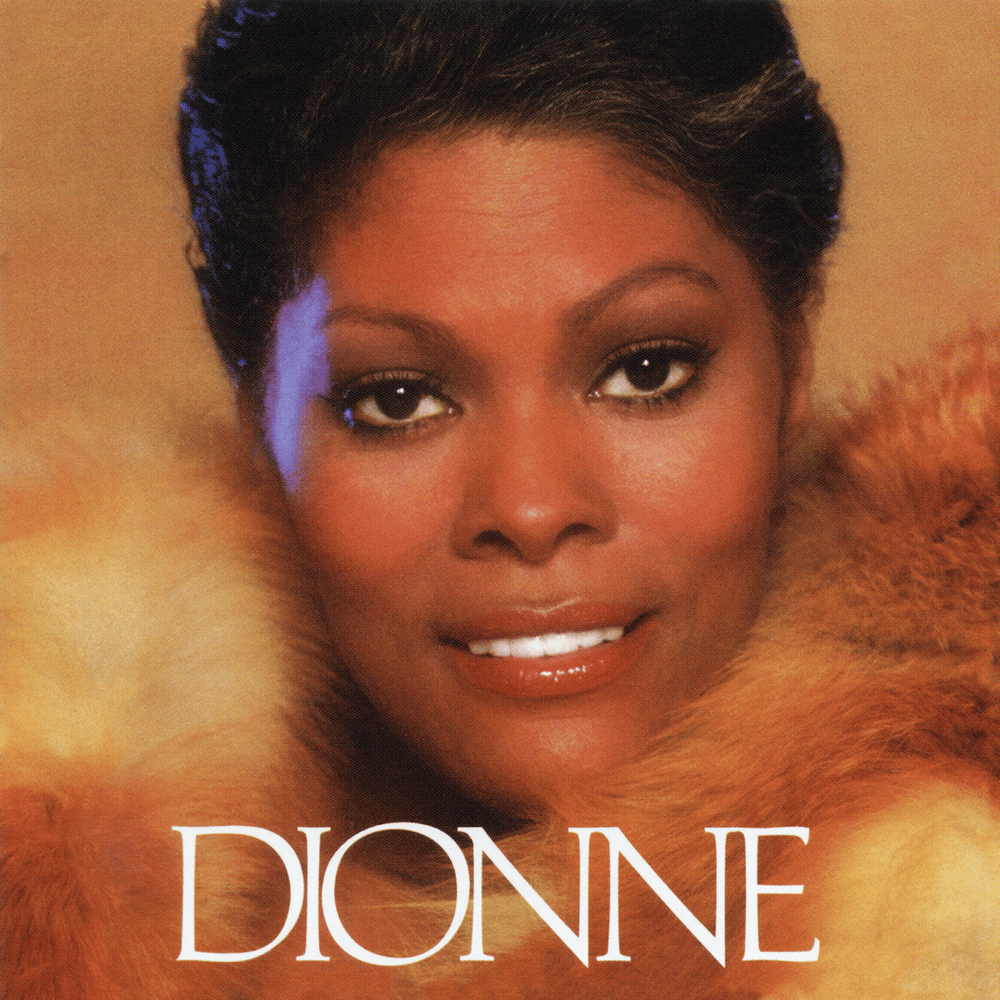
Dionne Warwick's rendition of "The Letter" isn't just a simple tale of reunion; it's a study in the primal urgency of love's magnetic pull. The opening lines, a frantic plea for air travel over the comparatively languid train, immediately establish the stakes. This isn't a measured journey; it's a desperate flight from loneliness, fueled by the potent words penned by her lover. The lyrics analysis reveals a core theme: the singular power of communication to reignite passion and sever ties to a past defined by solitude. The repeated declaration, "Lonely days are gone, I'm not comin' home," underscores a decisive break from a former life, a life rendered unbearable by the absence of the beloved.
The almost reckless disregard for financial consequence – "I don't care how much money I gotta spend" – highlights the psychological weight of the separation. Money, a symbol of security and stability, becomes utterly irrelevant in the face of emotional starvation. It's a fascinating glimpse into the hierarchy of needs, where love trumps all material concerns. Warwick's delivery imbues the lyrics with a palpable sense of desperation, a yearning that transcends mere romantic sentiment and taps into something more fundamental: the human need for connection and belonging.
Ultimately, the song meaning hinges on the transformative power of the letter itself. It's not just a message; it's a lifeline, a beacon calling her back from the brink of despair. The simplicity of the lyrics – "My baby he wrote me a letter / Said he could not live without me no more" – belies their profound impact. In a world increasingly saturated with fleeting digital communication, "The Letter" serves as a poignant reminder of the enduring significance of handwritten words, capable of sparking seismic shifts in the emotional landscape.
 View Artist