Song Meaning
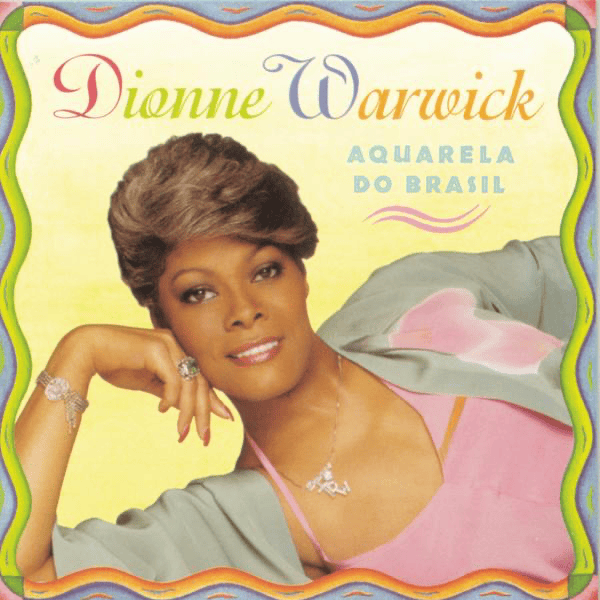
Dionne Warwick's foray into Brazilian samba with "Piano na Mangueira" is more than just a cross-cultural experiment; it’s a journey into the heart of Brazilian identity. The lyrics, sung in Portuguese, immediately ground the listener in the specific locale of Mangueira, one of Rio de Janeiro's most iconic samba schools (Estação Primeira de Mangueira). The opening lines place the narrator at the "platform" ready to ascend to the 'Morro' or favela, summoned by the spirit of the hill itself. This isn't just a physical ascent; it's a symbolic embrace of Mangueira's vibrant culture. The narrator's attire – "terno branco e chapéu de palha" (white suit and straw hat) – evokes a classic, almost ceremonial image, suggesting a deep respect for tradition.
The introduction of the piano is particularly evocative. The line "Já mandei subir o piano pra Mangueira" (I already sent the piano up to Mangueira) is both literal and metaphorical. The piano, a symbol of Western musical tradition, is being transported to the heart of samba. This symbolizes a fusion of cultures. It is a suggestion that disparate traditions can find harmony. Warwick isn't just singing samba; she's integrating her musical heritage into it.
The distinction made between music that "não é de levantar Poeira" (doesn't raise dust) and the invitation to the "barracão" (samba school headquarters) reveals a nuanced understanding of samba's social context. The music may not be overtly disruptive, but it's welcomed into the space where the "cabrocha pendura a saia" (the mixed-race woman hangs her skirt) – a place of uninhibited expression and cultural pride. The final lines, emphasizing the "amanhecer da quarta-feira" (dawn of Wednesday) after Carnival, suggest a return to the everyday, but with the spirit of Mangueira forever imprinted. "Piano na Mangueira" is a celebration of cultural exchange, a testament to the power of music to bridge divides, and an exploration of identity through the lens of samba.
 View Artist