Song Meaning
Dionne Warwick's rendition of "Brazil (Aquarela do Brasil)" isn't just a postcard; it's a yearning for a past romance and an idealized homeland. The song meaning hinges on the potent blend of nostalgia and desire, filtered through the gauze of memory. Warwick isn't singing about a real place as much as a state of mind, a sanctuary built from passionate encounters and moonlit whispers. "The Brazil that I knew / Where I wandered with you / Lives in my imagination" – these opening lines immediately signal a retreat into personal myth-making. It's a Brazil constructed not of concrete and favelas, but of shared moments and unspoken promises. The intensity of remembered love shapes every corner of this imagined landscape.
The lyrics paint Brazil as a hyper-sensual paradise where even the smallest gestures – smiles and kisses – are imbued with artistry and profound emotional investment. This isn't casual affection; it's a deeply felt connection that elevates the mundane to the sublime. The "hearts were entertaining June" line, while somewhat opaque, suggests a carefree joy, a period of idyllic bliss before the inevitable separation. The song touches on the bittersweet reality of fleeting moments. The swift transition from intimate embraces under an "amber moon" to the stark reality of separation – "The morning found me miles away" – underscores the ephemeral nature of happiness and the enduring power of memory to both comfort and haunt.
Ultimately, Warwick's "Brazil" becomes a testament to the human capacity for romanticizing the past. The concluding verse, with its promise of return, isn't necessarily a literal intention. Rather, it's a commitment to preserving the emotional resonance of a pivotal experience. The twilight imagery further emphasizes the wistful mood. The song is less about geography and more about the internal landscape of longing, a place where love and memory intertwine to create a personal, indelible paradise. It’s a sophisticated exploration of how we construct meaning and find solace in the face of loss and distance.
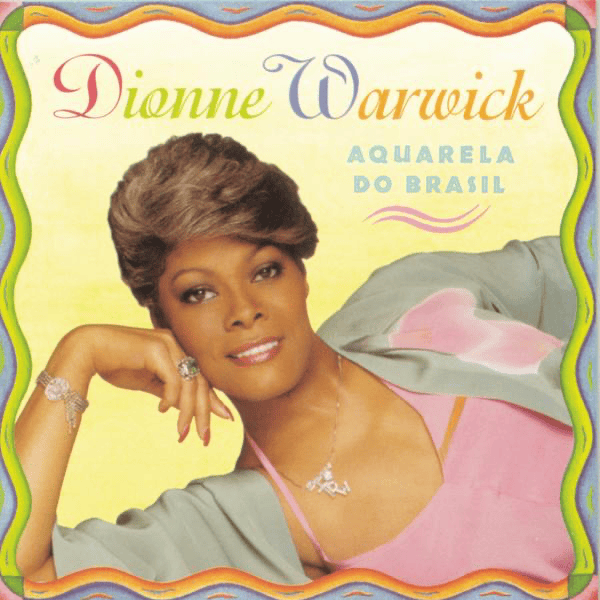
 View Artist