Song Meaning
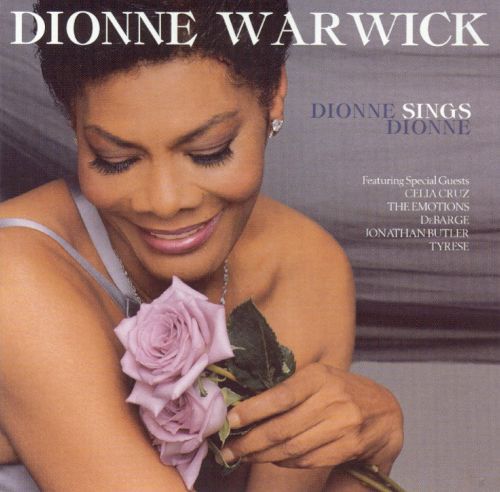
Dionne Warwick's interpretation of "Aquarela do Brasil" (Watercolor of Brazil), a classic of Brazilian popular music, is far more than a simple cover; it's an act of cultural reclamation and a powerful statement of identity. The song, at its core, is an ode to Brazil, a vibrant and complex tapestry woven from samba rhythms, lush landscapes, and a history marked by both beauty and pain. Warwick, with her signature soulful delivery, doesn't just sing about Brazil; she embodies its spirit, channeling the longing and pride inherent in the Brazilian experience. This version highlights the inherent tension between celebrating national pride and acknowledging a complicated past. The lyrics, rich with imagery of "mulato inzoneiro" (mischievous mixed-race person) and "mгe preta" (black mother), evoke a sense of nostalgia while confronting the racial and social dynamics that have shaped the nation.
Warwick's rendition doesn't shy away from the bittersweet nature of saudade, that uniquely Brazilian feeling of longing and melancholic remembrance. The repeated invocation of "Brasil, Brasil, prб mim, prб mim" (Brazil, Brazil, for me, for me) suggests a deeply personal connection, a claiming of belonging. The lyrics paint a picture of a land blessed by nature ("terra boa e gostosa" – good and tasty land) and rich in cultural traditions (samba, pandeiro), yet also burdened by historical injustices. The call to "abrir a cortina do passado" (open the curtain of the past) hints at a desire to confront and reconcile with the country's complex heritage. The beauty of the land is intertwined with the echoes of colonialism and slavery, a duality that defines the Brazilian psyche.
Ultimately, Warwick's "Aquarela do Brasil" transcends mere nationalistic fervor. It delves into the psychological landscape of a nation grappling with its identity, its past, and its future. The song's enduring appeal lies in its ability to evoke a sense of both celebration and introspection, reminding us that national pride is often intertwined with the acknowledgment of historical complexities. The song meaning exists in the personal connection the singer has to the land, the people and the culture, a vibrant painting of love and longing.
 View Artist