Song Meaning
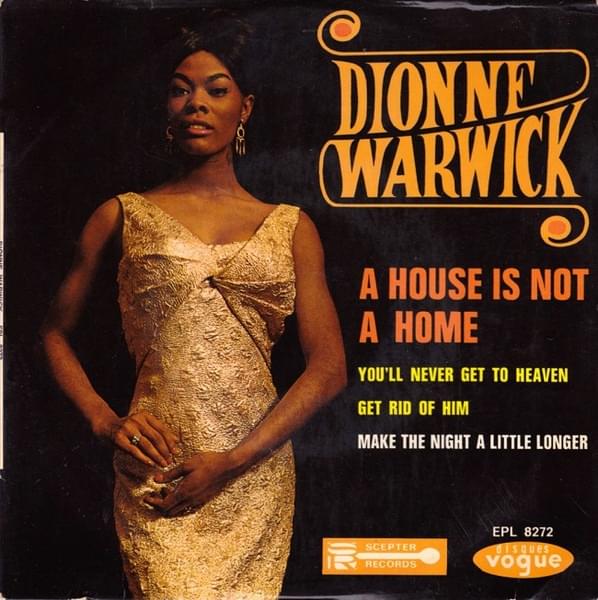
Dionne Warwick's rendition of "A House Is Not a Home" isn't just a song; it's a masterclass in emotional architecture. The lyrics dismantle the very idea of shelter, brick by metaphorical brick, revealing the raw vulnerability that lies beneath domesticity. It's a profound exploration of loneliness and the desperate yearning for connection, using the physical space of a house as a stand-in for the human heart. Warwick's delivery amplifies the ache, transforming a simple melody into a poignant study of abandonment. The song meaning hinges on the stark contrast between mere existence and true belonging. A chair remains a chair, even unoccupied, but its emptiness underscores the absence of intimacy.
The core refrain—"a house is not a home when there's no one there to hold you tight"—cuts to the quick. It's a primal plea, stripping away the superficial comforts of material possessions to expose the fundamental human need for physical and emotional closeness. The second verse expands on this theme, painting a picture of a room filled with nothing but "gloom," highlighting how emotional desolation can permeate even the most familiar surroundings. The bridge introduces a fleeting illusion of hope, where the singer conjures the absent lover's face, only to be plunged back into the harsh reality of their separation. This brief, bittersweet fantasy underscores the depth of her longing and the agonizing cycle of hope and despair.
Ultimately, "A House Is Not a Home" is a sophisticated meditation on the fragility of love and the profound impact of loss. The plea in the final verse—"Don't let one mistake keep us apart"—reveals the underlying fear of irreparable damage. The repeated desire to "turn this house into a home" is not just about restoring a physical space but about mending a broken bond and reclaiming a sense of belonging. The simple act of climbing the stairs and turning the key becomes fraught with anxiety, a desperate hope that love will still be waiting on the other side. It's a universal sentiment, delivered with Warwick's signature blend of power and vulnerability, making it a timeless exploration of the human condition.
 View Artist