Song Meaning
Diogo Piçarra's "Verdadeiro" cuts to the core of authenticity in relationships, a raw plea for genuine connection over manufactured affection. The song's meaning hinges on the tension between perception and reality: "Look at me / And tell me what you see / Tell me who you see / Not who you want to see." This isn't just about surface-level attraction; it's a challenge to see beyond projections and idealized versions of each other. It speaks to the universal desire to be loved for who we truly are, flaws and all, rather than for some curated image. Piçarra isn't interested in fulfilling a pre-determined role ("I will be for you / What you wanted to have / What you dreamed of having / But that's not me"). He's pushing for a connection built on mutual understanding and acceptance.
The lyrics delve into the psychological weight of societal expectations and the pressure to conform. The lines "Look at yourself / And tell me who you see / Tell me who you are / Not how they say to be / Or how they want to see" serve as a mirror, reflecting the listener's own struggle with identity. It’s a call to self-awareness, urging individuals to define themselves rather than letting external forces dictate their worth. The song subtly critiques the superficiality that can plague modern relationships, where appearances and curated personas often overshadow genuine emotional intimacy. Piçarra champions vulnerability as the path to true connection.
Ultimately, the “Verdadeiro” lyrics analysis reveals a yearning for a relationship free from "secrets or fears," where everything is "true." This desire for authenticity isn't naive; it's a conscious choice to reject the masks we often wear and embrace the messy, imperfect reality of human connection. The repetition of the chorus emphasizes the importance of this pursuit, suggesting that genuine connection is not a given but something that requires constant effort and a willingness to be vulnerable. The song resonates because it taps into a deep-seated human need to be seen, understood, and loved for our true selves.
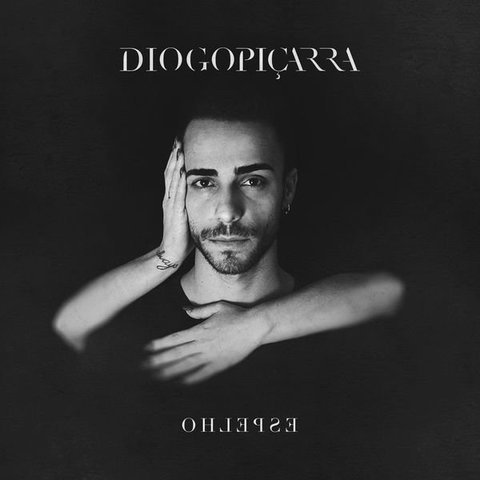
 View Artist