Song Meaning
Diogo Piçarra's "Longe" isn't just a song; it's a post-mortem on intimacy, a sonic autopsy of a relationship bled dry. The track's melancholic pull resides in its stark acknowledgement of distance – not just physical, but the agonizing gulf that yawns between two people who were once intertwined. Piçarra doesn't wallow in blame; instead, he dissects the shared responsibility for the decay, observing, "Nós estamos longe demais / E nisso somos iguais" (We are too far apart / And in that, we are the same). This shared culpability adds a layer of mature resignation, a far cry from simple heartbreak anthems. The lyrics paint a picture of a gradual drift, marked by missed opportunities and unspoken resentments.
The repetition of "Longe demais" (Too far apart) isn't mere filler; it's a psychological echo, a mantra of regret that amplifies with each iteration. It highlights the agonizing realization that the point of no return has been breached. The line, "Oh, nós só queremos / Quando perdemos" (Oh, we only want / When we lose), cuts with brutal honesty, exposing the human tendency to undervalue connection until it's irretrievably lost. This sentiment is delivered without self-pity, offering a stark commentary on the human condition.
Ultimately, "Longe" avoids the saccharine clichés of the pop breakup song. It's a study in the slow burn of relational entropy, the quiet tragedy of two souls growing apart despite a shared history. The sparse instrumentation allows the emotional weight of the lyrics to resonate, creating a listening experience that is both haunting and deeply relatable. The song's meaning lies not in assigning blame, but in recognizing the shared responsibility in the fading of connection.
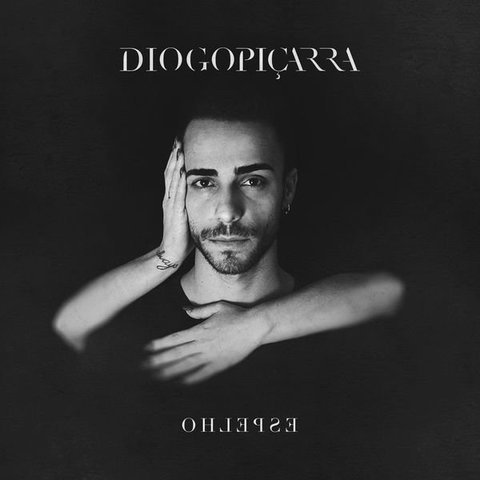
 View Artist