Song Meaning
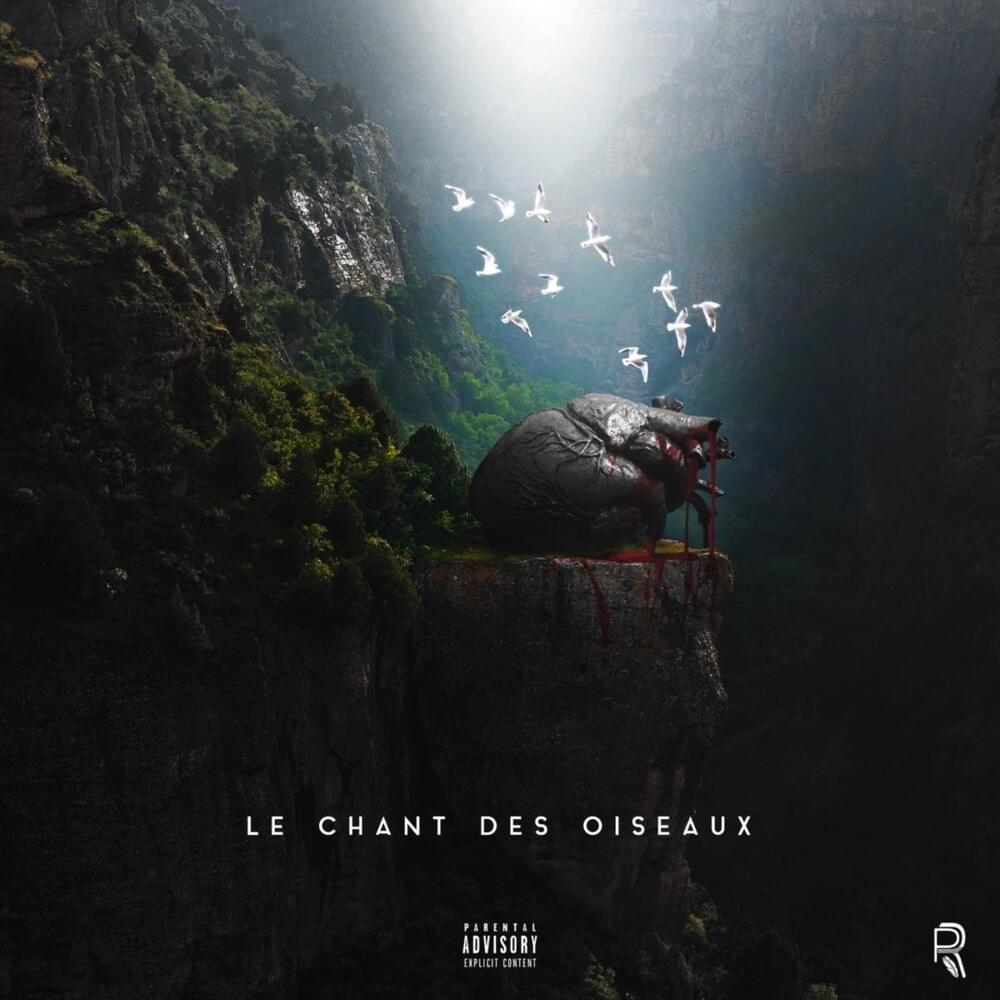
The lyrics open with a simple observation: "Le chant des oiseaux." This immediately grounds the piece in nature, but the narrator quickly pivots to the etymology of "chant," revealing its roots in "charme" and "enchantement." This linguistic detour sets up a core idea: that singing has always carried a magical, enchanting quality, a force capable of both profound connection and dangerous allure. The narrator points to the myth of Orpheus, who used his music to brave the underworld, as an example of song's power to overcome even death.
The central tension emerges from the dual nature of this enchantment. While song can be used to praise and elevate, as in Orpheus's quest or singing someone's praises, it can also lead to disillusionment, a concept echoed in the phrase "on déchante." This is further illustrated by the cautionary tale of the sirens, whose seductive songs lure sailors to their doom. The lyrics suggest that the very act of singing about love or admiration carries an inherent risk of eventual disappointment or heartbreak.
The most striking image is that of the swan's final song. The legend of the swan releasing its most beautiful melody as it faces death introduces a poignant paradox: immense beauty and grace emerging from the brink of demise. This moment of "grâce avant d'tomber l'voile" encapsulates the bittersweet power of expression, suggesting that even in the face of endings, there can be a transcendent, albeit temporary, beauty.
Ultimately, the effectiveness of these lyrics lies in their philosophical layering of a simple natural sound with complex human emotions and ancient myths. The recurring idea of "chant"—from birdsong to magical incantations to expressions of love and loss—creates a rich tapestry. The final line, "Mais finalement, même quand l'amour est mort / Les oiseaux continuent d'chanter," leaves the listener with a profound sense of nature's indifference to human sorrow, yet also its persistent, cyclical beauty, a quiet testament to life's continuation beyond personal tragedy.
 View Artist