Song Meaning
The narrator opens with a raw declaration of sadness and nervousness, fixated on the idea of his beloved being with a "worthless man." This immediate emotional vulnerability sets a tone of desperate longing. He pleads to be allowed into her bed, framing it as a way for her mother to see her happy again. This suggests a complex, perhaps even manipulative, dynamic where personal desire is masked as concern for familial approval.
The core tension lies in the narrator's self-awareness, or lack thereof. He directly confronts the idea that he might be seen as "crazy" or "foolish," admitting to a degree of it while simultaneously asserting a deeper knowledge of her inner world: "And that I know your dreams." This creates a push-and-pull between perceived madness and a claim of profound intimacy.
The lyrics employ a striking contrast between the narrator's current state and his desired outcome. He paints a picture of the woman being unhappy and serious, constrained by her husband who "doesn't let you go anywhere." He then offers a starkly different vision: himself on "your pillows," leading to her father having "grandchildren." This juxtaposition highlights his desperate hope for a future he believes is being denied to her, using a blunt, almost transactional proposal.
What makes these lyrics hit hard is the raw, almost pathetic sincerity of the narrator's plea, interwoven with a touch of delusion. His admission of being "a little crazy" makes his intense focus on her dreams and his proposed solution feel both deeply personal and slightly unhinged. The repeated phrase "Misliš da sam blesav" (You think I'm crazy) acts as a shield and a challenge, daring the listener to dismiss his feelings while simultaneously acknowledging their potential absurdity.
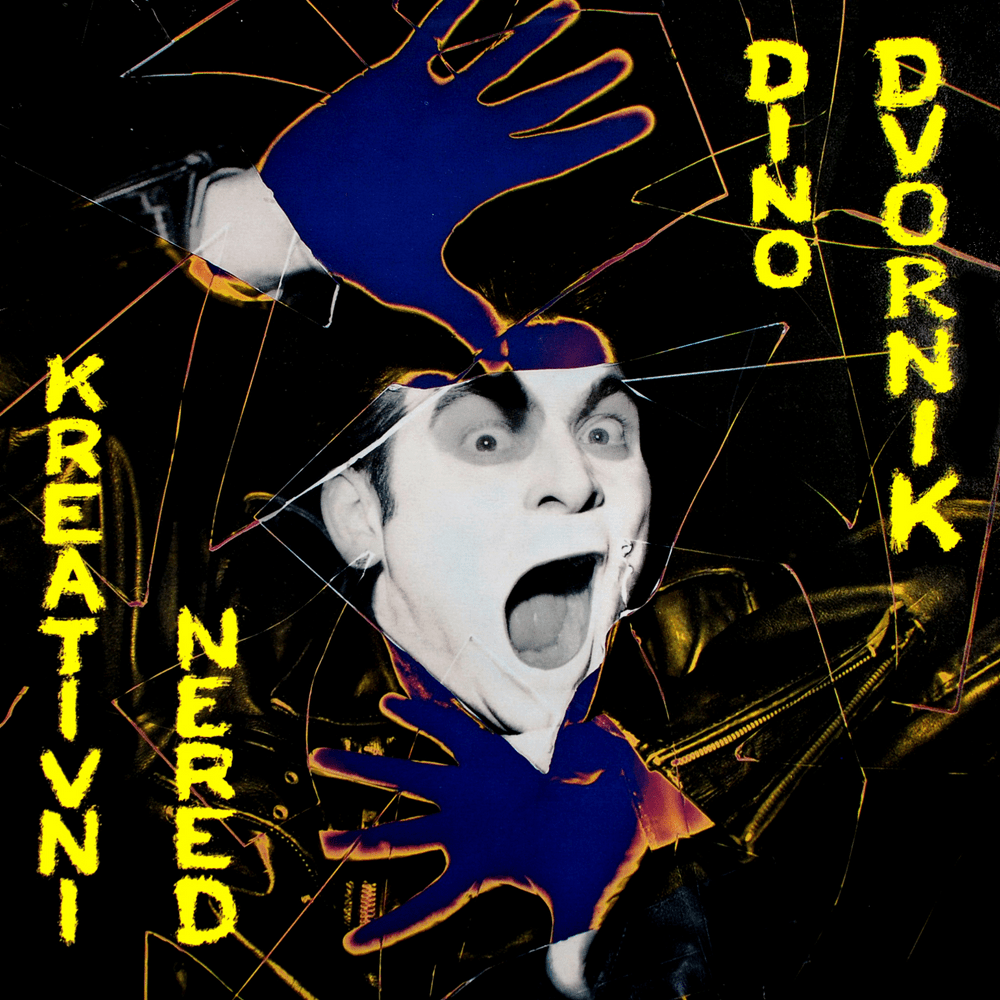
 View Artist