Song Meaning
Dinah Washington's rendition of "What's New" isn't just a casual inquiry; it's a masterclass in suppressed longing, delivered with the razor-sharp emotional intelligence that defined her career. The lyrics, deceptively simple on the surface, are a tightrope walk between polite conversation and agonizing, unrequited affection. Each "What's new?" is less a question and more a desperate attempt to bridge the chasm of time and changed circumstances, to find some sliver of connection with a former lover who has clearly moved on. The speaker is trapped in a loop of self-inflicted torture, seeking information they know will likely cause pain. The repeated observation that the other person is unchanged underscores the speaker's own stasis, their inability to escape the past.
The brilliance of Washington's interpretation lies in the subtle undercurrent of self-awareness. The lines "Probably, I'm boring you" and "pardon my asking" reveal a consciousness of the speaker's own vulnerability, a recognition that their lingering feelings are unwelcome, perhaps even pathetic. Yet, the compulsion to ask, to see, to touch (even just a handshake) overrides any sense of self-preservation. This tension between rational understanding and emotional need is what makes the song so deeply resonant. It speaks to the universal experience of grappling with the aftermath of love, the difficulty of letting go, and the persistent hope that maybe, just maybe, things could be different.
The final lines, "Of course, you couldn't know, I haven't changed, I still love you so," are the devastating crux of the song meaning. It's an admission, not to the object of affection, but to herself (and to us, the listeners). It's a quiet acknowledgment of the enduring power of love, even in the face of indifference. The song is less about seeking an answer to "What's new?" and more about revealing the unchanging, unwavering ache within the speaker's own heart. Washington doesn't just sing the lyrics; she inhabits them, transforming a seemingly polite inquiry into a profound exploration of heartbreak and the enduring human capacity for longing.
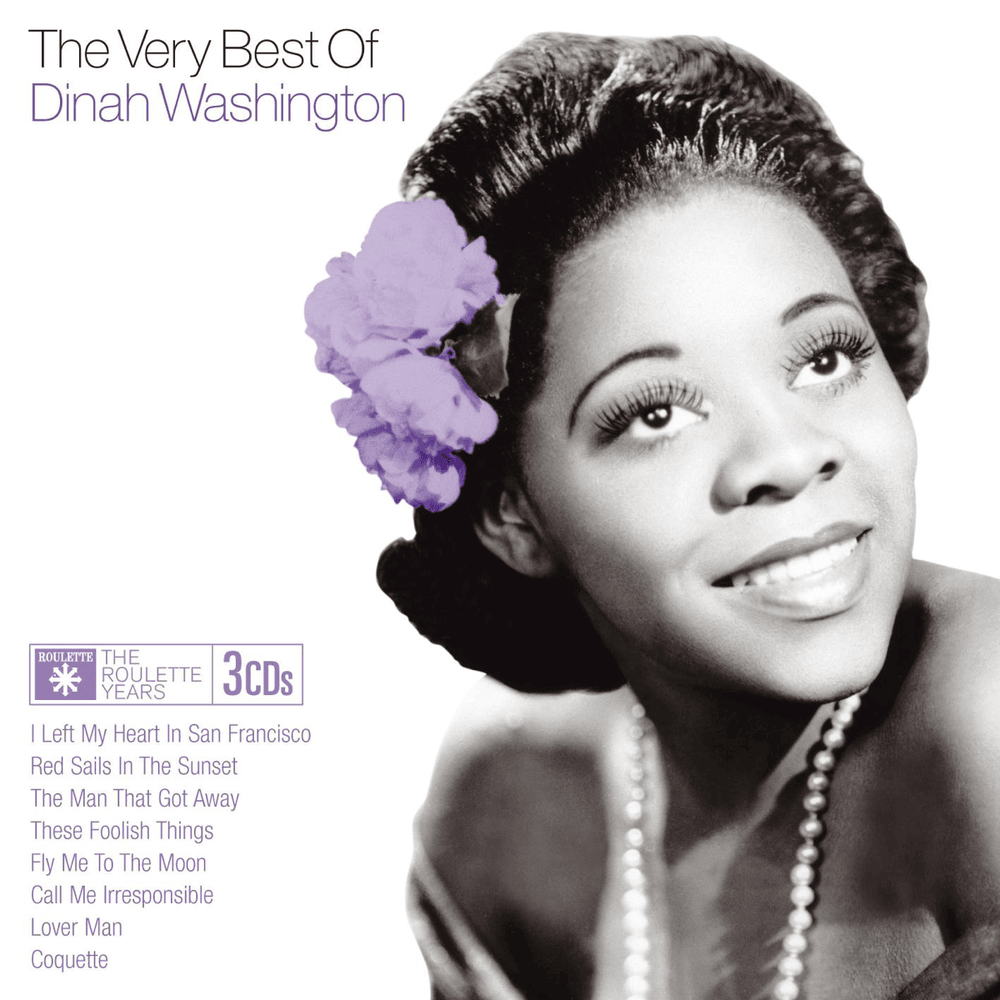
 View Artist