Song Meaning
Dinah Washington's "Human Nature" isn't a celebration of our better angels; it's a stark portrait of love's devastating aftermath. The song meaning resides in the raw, exposed nerve of heartbreak, where the world shrinks to the size of a missing lover. Washington's masterful delivery amplifies the feeling that existence itself has been rendered "empty." The lyrics are not complex, but devastatingly direct. It's a primal scream disguised as a ballad. The listener isn't just hearing sadness; they're witnessing a soul slowly dissolving.
The recurring motif of absence underscores the totality of the loss. The singer is haunted, the missing person "always on my mind, though out of sight." This isn't a fleeting pang of regret; it's a constant, gnawing presence that permeates every moment. Day provides no solace, only "lonesome" emptiness, while night amplifies the pain into unrestrained grief. This speaks to the cyclical nature of grief, where waves of sadness crash without warning, especially during moments of quiet reflection.
The final verse takes on a desperate, almost theatrical quality. The singer isn't just lamenting; she's pleading with the cosmos for answers: "I ask the sun and the moon, the stars that shine, what's to become of it, this love of mine." This isn't a rational inquiry; it's an expression of utter helplessness. "Human Nature," through Washington's interpretation, becomes a study in vulnerability, a testament to the enduring power of love to both elevate and utterly destroy.
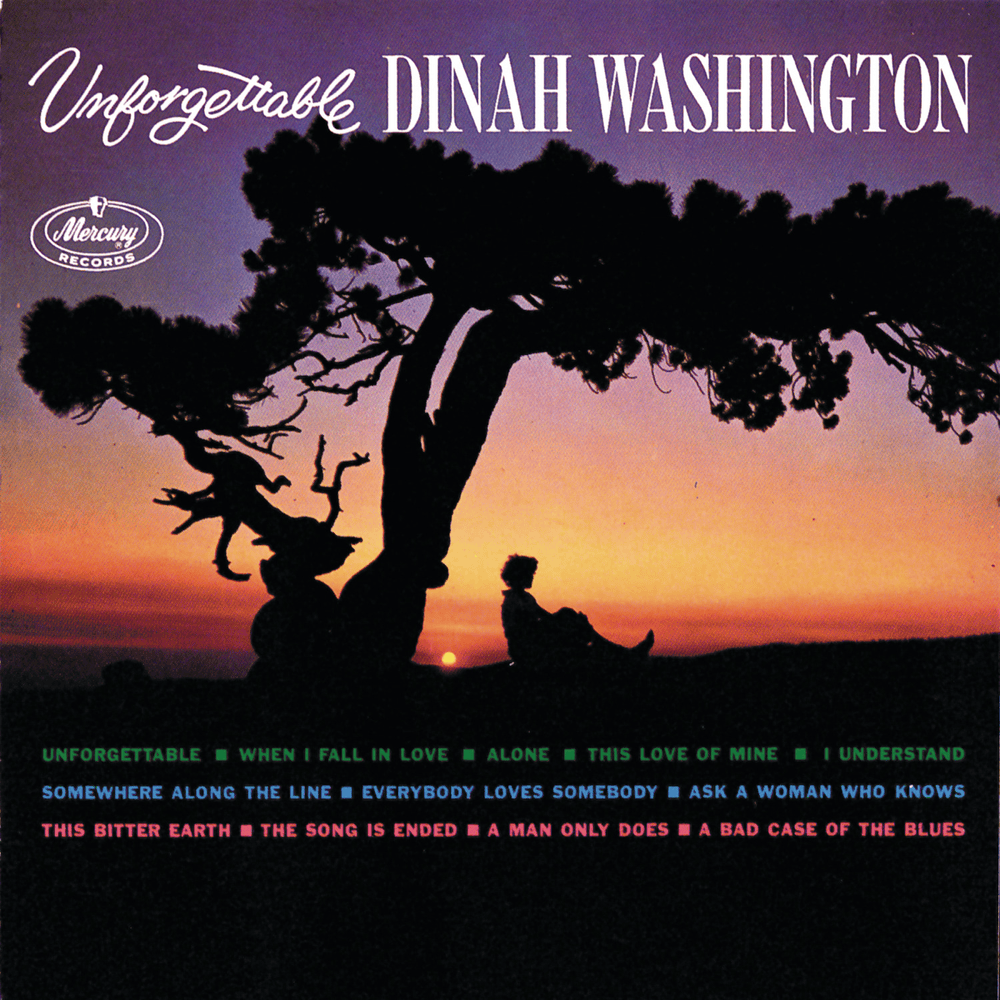
 View Artist