Song Meaning
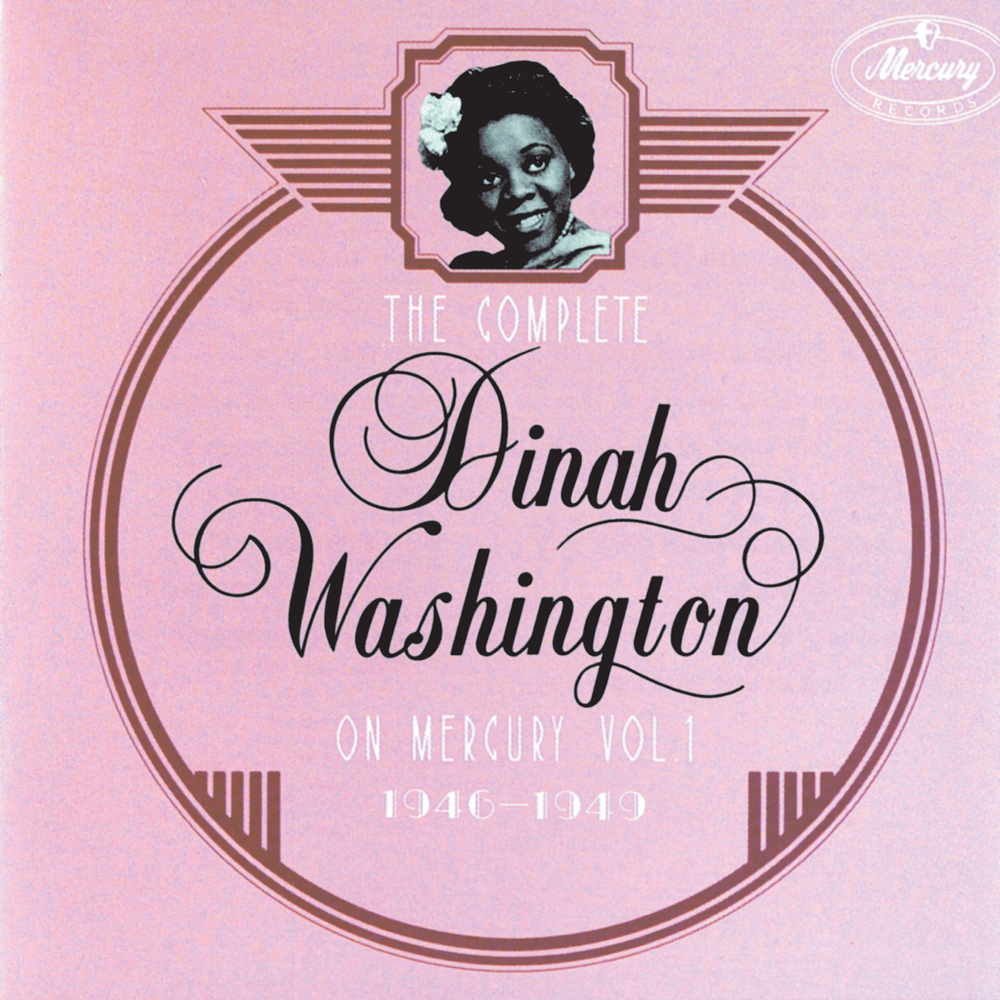
Dinah Washington's rendition of "The Man I Love" is not simply a romantic ballad; it's a glimpse into the architecture of longing itself. The lyrics paint a picture of idealized love, a partnership built on unspoken understanding and mutual devotion. But beyond the surface of hearts and flowers lies a deeper exploration of the human need for connection, perhaps even a subtle commentary on the societal pressures placed on women during the song's era to find fulfillment through a male partner. The "big and strong" descriptor, while seemingly straightforward, hints at a desire for protection and stability, reflecting a yearning for a safe harbor in a turbulent world. It's not necessarily about physical strength, but the perceived emotional fortitude a partner represents.
What elevates "The Man I Love" beyond a simple wish list is the inherent uncertainty woven into the lyrics. The repeated "Maybe Sunday, maybe Monday, maybe not" refrain underscores the precarious nature of hope. This isn't a confident prediction, but a fragile anticipation, a constant negotiation between optimism and the very real possibility of disappointment. The singer isn't passively waiting; she's actively dreaming, constructing a future where she finds solace and belonging. This act of dreaming becomes an act of self-preservation, a way to maintain hope in the face of an uncertain future.
The envisioned "little home just meant for two" represents more than just a physical space. It's a symbolic sanctuary, a refuge from the outside world where vulnerability and intimacy can flourish. The line "From which I'll never roam" speaks volumes about the singer's desire for permanence and security. The song's meaning resonates not just from the explicit desire for love, but also from the implicit acknowledgment of its potential absence. It’s a powerful testament to the enduring human need for connection, painted with a delicate brush of hope and a quiet undercurrent of vulnerability, making Dinah Washington’s interpretation especially poignant.
 View Artist