Song Meaning
{"song_id": 12494008, "meaning": "Dinah Washington's rendition of \"My Heart Cries for You\" isn't just a song; it's a masterclass in emotional vulnerability, laid bare with the kind of raw honesty that only the Queen of the Blues could deliver. Stripped down to its core, the song meaning revolves around unadulterated longing and a desperate plea for reconciliation. It's a sonic portrait of someone teetering on the edge of despair, the repetition of 'My heart cries for you, sighs for you, dies for you' hammering home the sheer intensity of the narrator's pain. This isn't just sadness; it's a visceral, almost theatrical expression of heartbreak. The simplicity of the lyrics amplifies the emotional weight, leaving no room for ambiguity.
The brilliance of Washington's interpretation lies in her ability to convey both strength and fragility. While the lyrics themselves paint a picture of utter devastation, her delivery hints at a resilient spirit, one that refuses to surrender completely to the abyss of lost love. The lines 'If you're in Arizona, I'll follow you / If you're in Minnesota, I'll be there too' aren't just about physical pursuit; they represent a commitment that borders on obsession, a willingness to traverse any distance, both literal and metaphorical, to salvage what was lost. This speaks to the complex psychology of attachment, the powerful, often irrational drive to reconnect with a significant other, even when logic dictates otherwise.
Ultimately, \"My Heart Cries for You\" resonates because it taps into a universal human experience: the ache of unrequited love and the yearning for what once was. It's a testament to Dinah Washington's unparalleled ability to transform simple words into a profound emotional landscape, a place where listeners can confront their own vulnerabilities and find solace in the shared experience of heartbreak. The song doesn't offer easy answers or tidy resolutions. Instead, it invites us to sit with the discomfort, to acknowledge the pain, and to recognize the enduring power of the human heart, even in its most shattered state."}
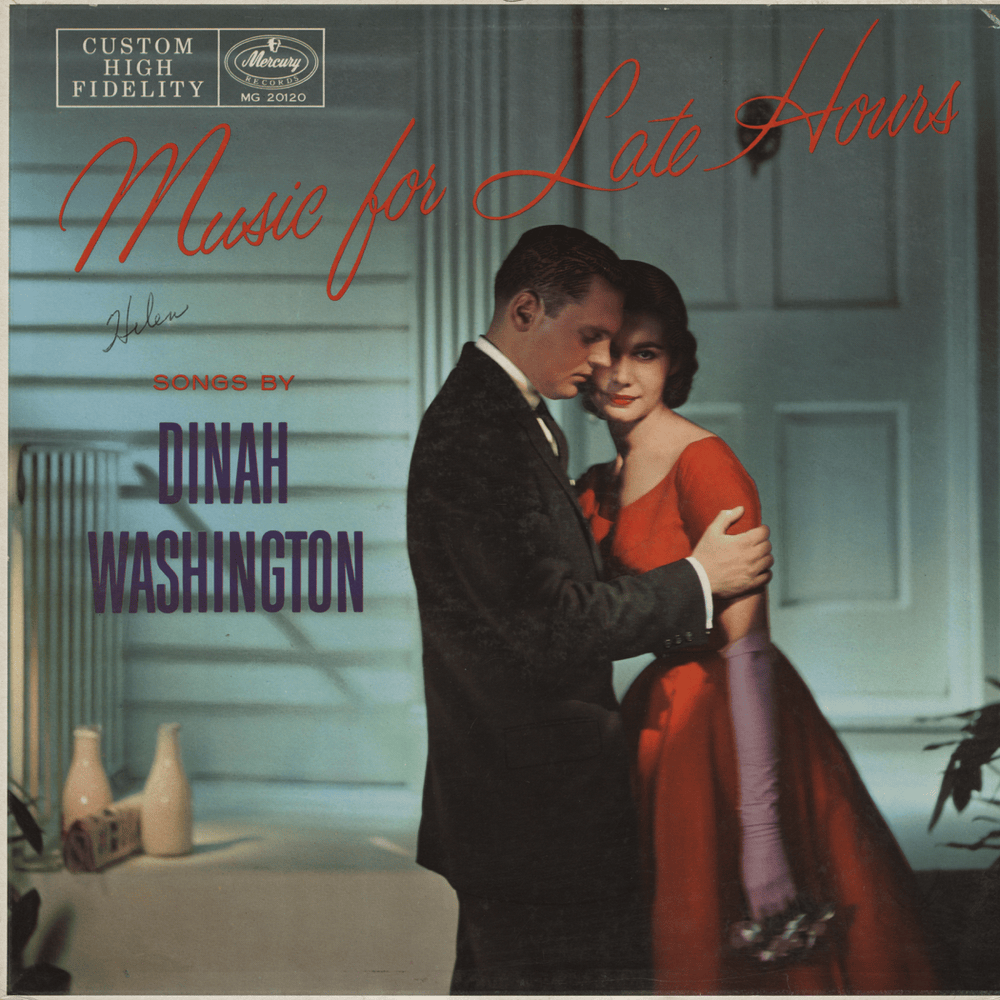
 View Artist