Song Meaning
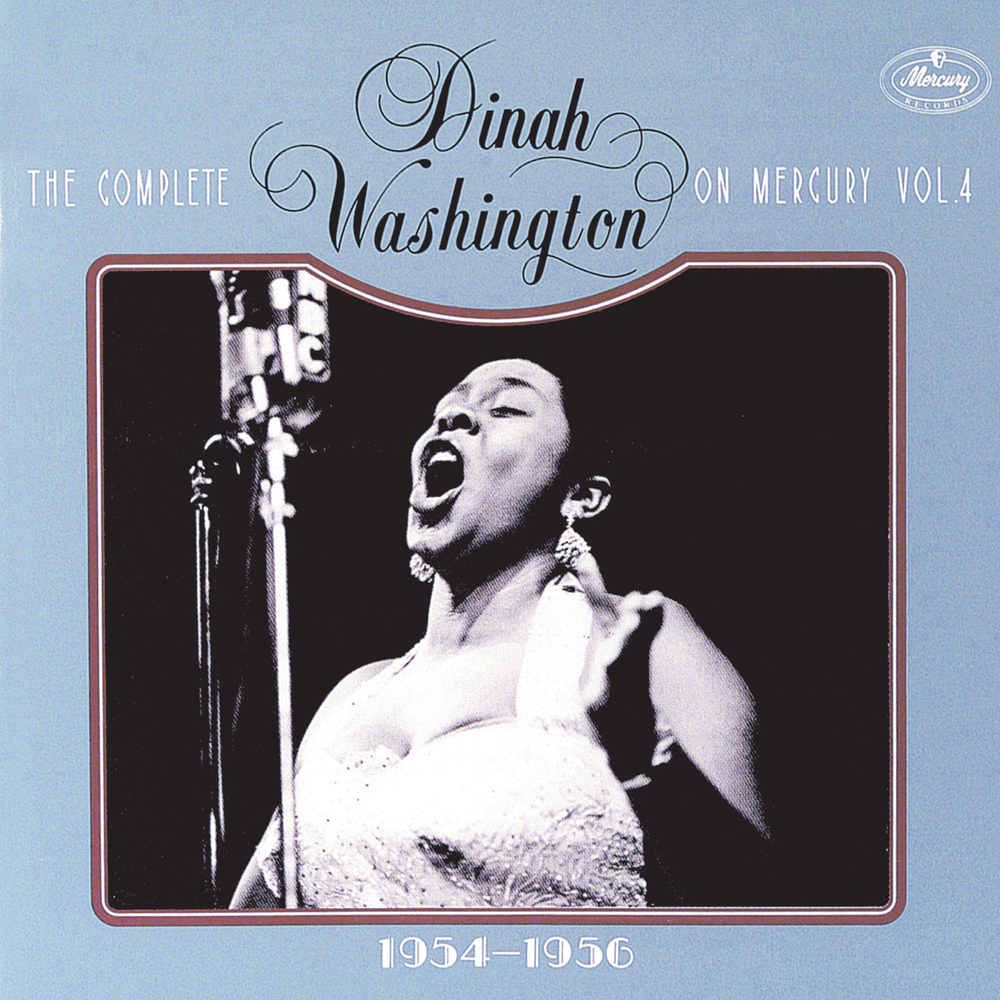
Dinah Washington's rendition of "More Than You Know" isn't just a love song; it's a masterclass in unconditional devotion bordering on self-abnegation. The lyrics paint a portrait of a speaker utterly consumed, their affection seemingly impervious to the object of their desire's flaws or failings. The opening lines, indifferent to whether the beloved is "false or true," immediately establish this extreme of devotion. It's a love that transcends merit or reciprocation, a love arguably rooted more in the speaker's internal needs than the reality of the relationship itself. This raises questions about the psychological underpinnings of such intense feelings. Is it genuine affection, or a manifestation of attachment issues, a desperate attempt to secure validation through unwavering support? The line "Loving may be all you can give / But, honey, I can't live without it" hints at an imbalance, suggesting the speaker is deriving their very sense of self from this connection, regardless of the cost.
The obsessive quality of the lyrics underscores a potential vulnerability within the speaker. The repeated declaration, "More than you know," isn't simply a statement of affection; it's a plea for recognition, a yearning to be seen and understood in the depth of their feelings. The fear of abandonment, explicitly stated in "Oh, how I'd cry...If you got tired and said Goodbye," exposes the precariousness of their emotional state. The speaker's happiness is entirely contingent on the other person's presence, a fragile foundation for any relationship. This level of dependency can be interpreted as a form of emotional codependency, where the speaker's identity is enmeshed with the needs and desires of their partner.
Ultimately, "More Than You Know" leaves the listener pondering the nature of love and its potential pitfalls. While the sentiment expressed is undeniably romantic on the surface, a deeper lyrics analysis reveals a more complex and potentially troubling dynamic. Dinah Washington’s delivery, imbued with both longing and a hint of desperation, only amplifies the song's unsettling undercurrents, transforming a seemingly straightforward ballad into a poignant exploration of the human heart's capacity for both profound connection and profound self-sacrifice.
 View Artist