Song Meaning
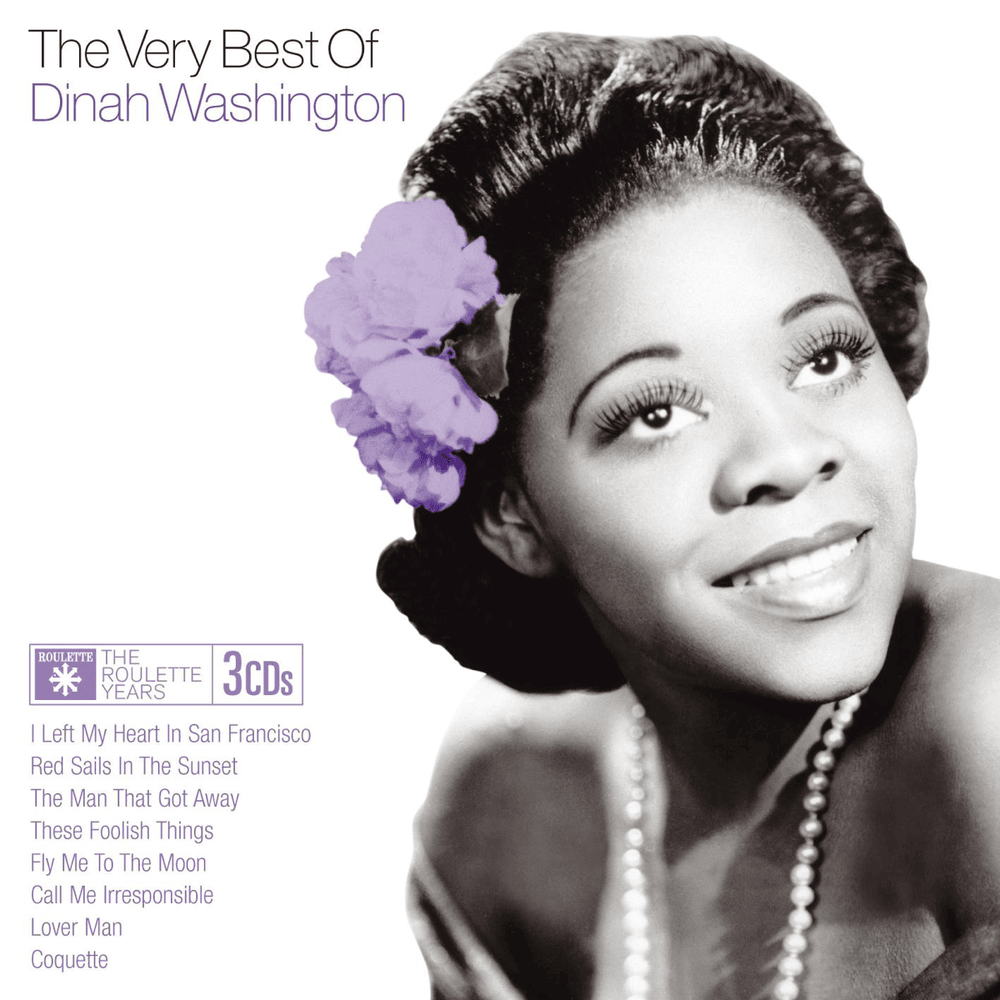
Dinah Washington's "Miss You" isn't just a lament; it's a raw, exposed nerve of longing. The simplicity of the lyrics belies the profound depth of the emotional chasm they represent. Washington doesn't offer complex metaphors or flowery language. Instead, she drills down to the core of absence: a persistent, gnawing feeling that permeates every moment, day and night. The repetition of "Miss you since you went away dear, Miss you more than I can say dear" emphasizes the obsessive nature of grief, the mind caught in a loop of yearning. The brilliance of Washington's interpretation lies in her ability to convey both the universality and the intensely personal nature of heartbreak. It's a feeling everyone understands, yet experiences in their own unique, isolating way. The "Miss You" lyrics are deceptively straightforward, but in their repetition they paint a portrait of all-consuming sorrow.
The fleeting moments of imagined intimacy – "Kiss you, in my dreams I kiss you, Whisp'ring darling how I miss you" – offer a temporary reprieve, but ultimately serve to sharpen the pain of reality. These dreamlike encounters underscore the fragility of memory and the human need for connection. The whispered endearments highlight the contrast between the vibrant presence of the loved one and the hollow echo of their absence. The most poignant line, "Tell me do you ever miss me, As I miss you," reveals the vulnerability at the heart of the song's meaning. It's a desperate plea for reciprocity, a fragile hope that the connection hasn't been entirely severed. It speaks to the inherent uncertainty of love and loss, and the fear that one's own pain might not be mirrored by the other.
Ultimately, "Miss You" transcends a simple expression of sadness. It becomes a meditation on the enduring power of love and the psychological weight of absence. Dinah Washington doesn't just sing about missing someone; she embodies the feeling, giving voice to the quiet desperation that resides within us all when faced with the void left by a loved one. The song's genius lies in its stark honesty and emotional vulnerability, making it a timeless exploration of the human condition. The song meaning resonates because it exposes the universal experience of longing, a sentiment that transcends time and circumstance.
 View Artist