Song Meaning
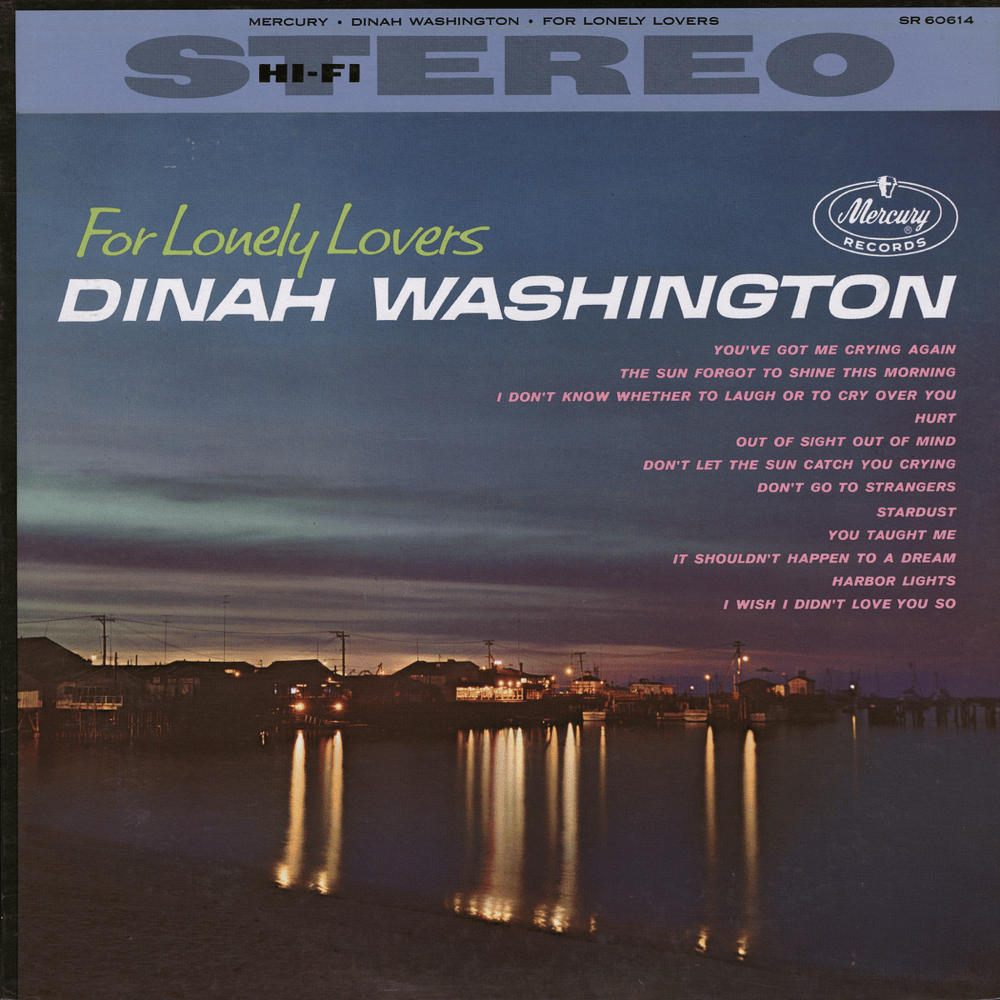
Dinah Washington's "It Shouldn't Happen to a Dream" isn't just a lament; it's a masterclass in sonic heartbreak, dissecting the fragile boundary between aspiration and crushing reality. The song meaning centers on the profound disappointment of a love that exists solely in the ephemeral world of dreams, a space where 'millions of stars' align and 'hopes' bloom within a lover's gaze. But the escape is temporary. Washington's genius lies in capturing the gut-wrenching return to consciousness, the rude awakening where the dream's vibrant tapestry unravels, leaving only the cold, hard threads of what *isn't*. The repeated line, 'It shouldn't happen to a dream,' acts as both a plea and an indictment of fate itself. It speaks to the cruel irony of dreams, offering a tantalizing glimpse of happiness only to snatch it away.
The lyrics paint a vivid picture of dreamlike bliss: clouds tenderly tucking the moon into bed, flowers dancing joyously, and the darkness losing its sting. These images aren't just pretty; they represent a complete emotional transformation, a world where love conquers all anxieties and uncertainties. The phrase 'We're meant for each other, it's perfectly plain' encapsulates the absolute certainty one feels within a dream, a conviction that crumbles upon waking. Dinah Washington uses this contrast to heighten the pain of disillusionment. Each return to reality is a fresh wound, a reminder of the vast chasm between the ideal and the tangible.
Ultimately, "It Shouldn't Happen to a Dream" explores the psychology of longing and the human tendency to seek solace in fantasy. The song's power resides in its raw emotional honesty, its refusal to sugarcoat the pain of unfulfilled desires. Washington isn't just singing about a lost love; she's giving voice to the universal experience of grappling with the gap between our dreams and our waking lives. The repetition of the outro, a mournful echo of 'No it shouldn't,' underscores the song's central theme: the quiet tragedy of shattered hopes and the enduring human need to believe in something more.
 View Artist