Song Meaning
Dinah Washington doesn't just sing "It Isn't Fair"; she embodies the raw nerve of romantic betrayal, the exquisite torture of a love offered conditionally. The song, a masterclass in vocal restraint barely containing volcanic emotion, hinges on the central accusation: fairness. But 'fairness,' in the context of desire, is a loaded weapon. It speaks to an unspoken contract, a yearning for reciprocity that's been brutally violated. Washington's delivery drips with the specific agony of knowing she's been given 'just a taste of high life,' a fleeting glimpse of emotional fulfillment only to have it snatched away. The pain isn't just in the loss, but in the deliberate, almost sadistic, nature of the offering itself.
The recurring phrase, 'It isn't fair for you to taunt me,' isn't a simple plea for decency. It's a challenge to the listener, an assertion that emotional manipulation is a tangible act of cruelty. The lyrics cleverly juxtapose the thrill of connection ('It isn't fair for you to thrill me') with the inevitable crash of disillusionment ('dreams that can't come true'). This isn't just heartbreak; it's the violation of trust, the cynical exploitation of vulnerability. The question 'Why do you do the things you do?' hangs heavy, unanswered, suggesting a fundamental disconnect, a chasm of understanding that no amount of pleading can bridge.
Ultimately, the song's power resides in its simplicity and directness. There are no elaborate metaphors or flowery language, just the stark, unadorned pain of a woman confronting the capriciousness of love. The repetition of 'It isn't fair' becomes a mantra, a desperate attempt to impose order and logic on a situation that is inherently chaotic and unjust. Washington's voice, laced with both fragility and defiance, elevates the song beyond a mere lament; it's a testament to the enduring human capacity for hope, even in the face of profound disappointment. The final, plaintive cry of 'My Darling, it isn't fair' echoes long after the song ends, a haunting reminder of love's inherent precariousness.
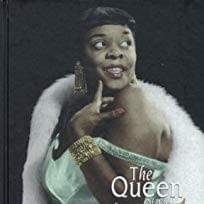
 View Artist