Song Meaning
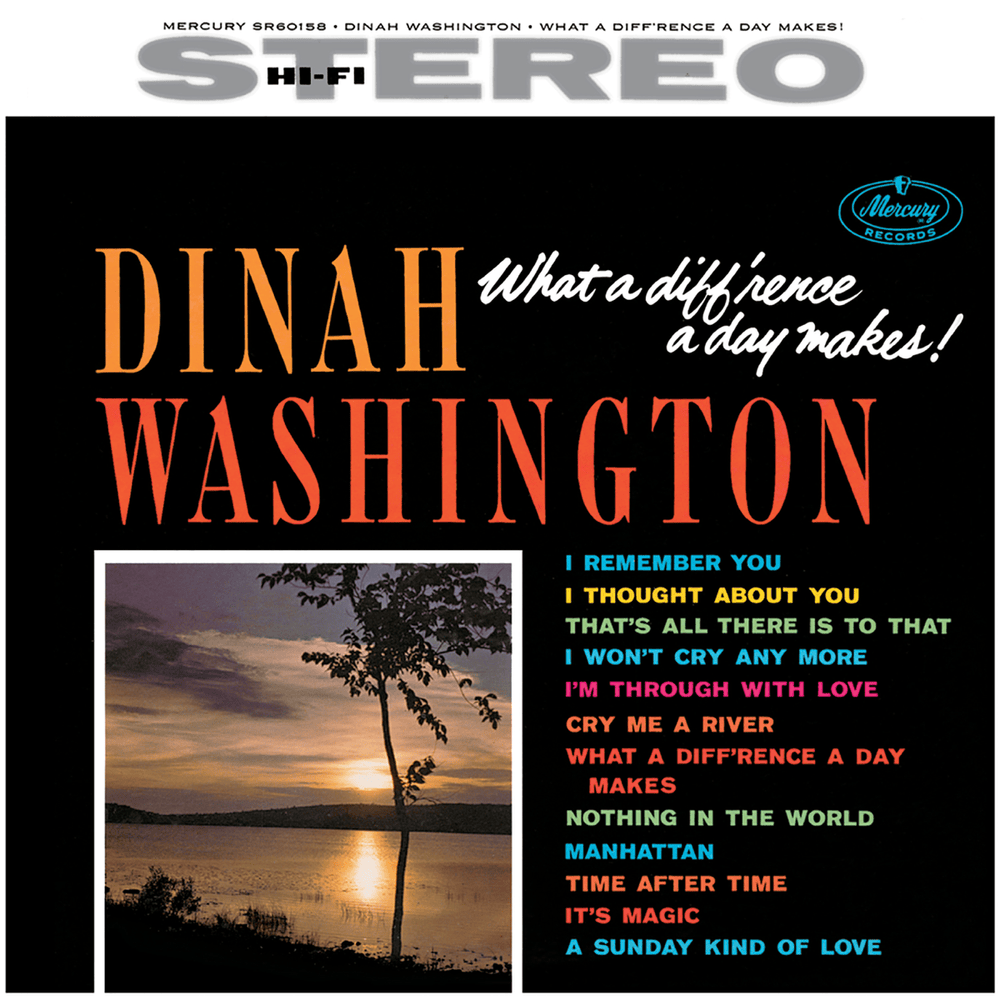
{"song_id": 12480377, "meaning": "Dinah Washington's \"I Remember You\" isn't just a sentimental ballad; it's a masterclass in how memory shapes identity. The song's core meaning orbits around the profound impact of a past love, not just on the singer's life, but on her very definition of joy and fulfillment. It's a declaration that this relationship wasn't merely a chapter, but an integral part of her life's narrative, one worthy of recounting even to celestial beings. The \"few kisses ago\" line establishes a bittersweet perspective, hinting at a love that perhaps ended too soon, yet remains vividly etched in her mind. The repetition of \"I remember you\" underscores the persistence of this memory, almost as if the act of remembering is a conscious choice to keep the love alive.
The celestial imagery—\"distant bell and stars that fell\"—elevates the memory to a near-mythical status. These aren't just recollections of a relationship; they're fragments of a personal cosmology, shaping her understanding of beauty and wonder. The stars falling \"like the rain out of the blue\" evokes a sense of unexpected magic, suggesting the love was both a gift and a surprising force of nature. This contrasts with the more grounded declaration of reciprocated love (“You’re the one who said ‘I love you, too’”), creating a complex interplay between idealized memory and the tangible reality of the past.
Ultimately, \"I Remember You\" is a testament to love's enduring power, even in its absence. The singer imagines a moment of ultimate reckoning, where angels ask her to define \"the thrill of it all.\" Her response isn't a grand, sweeping summary of her life, but a simple, unwavering declaration: \"I remember you.\" This choice speaks volumes. It suggests that this past love encapsulates the essence of her joy, that it's the touchstone against which all other experiences are measured. The song meaning, therefore, lies in the idea that love, once experienced, becomes an indelible part of our being, shaping who we are and how we perceive the world, even after it's gone."}
 View Artist