Song Meaning
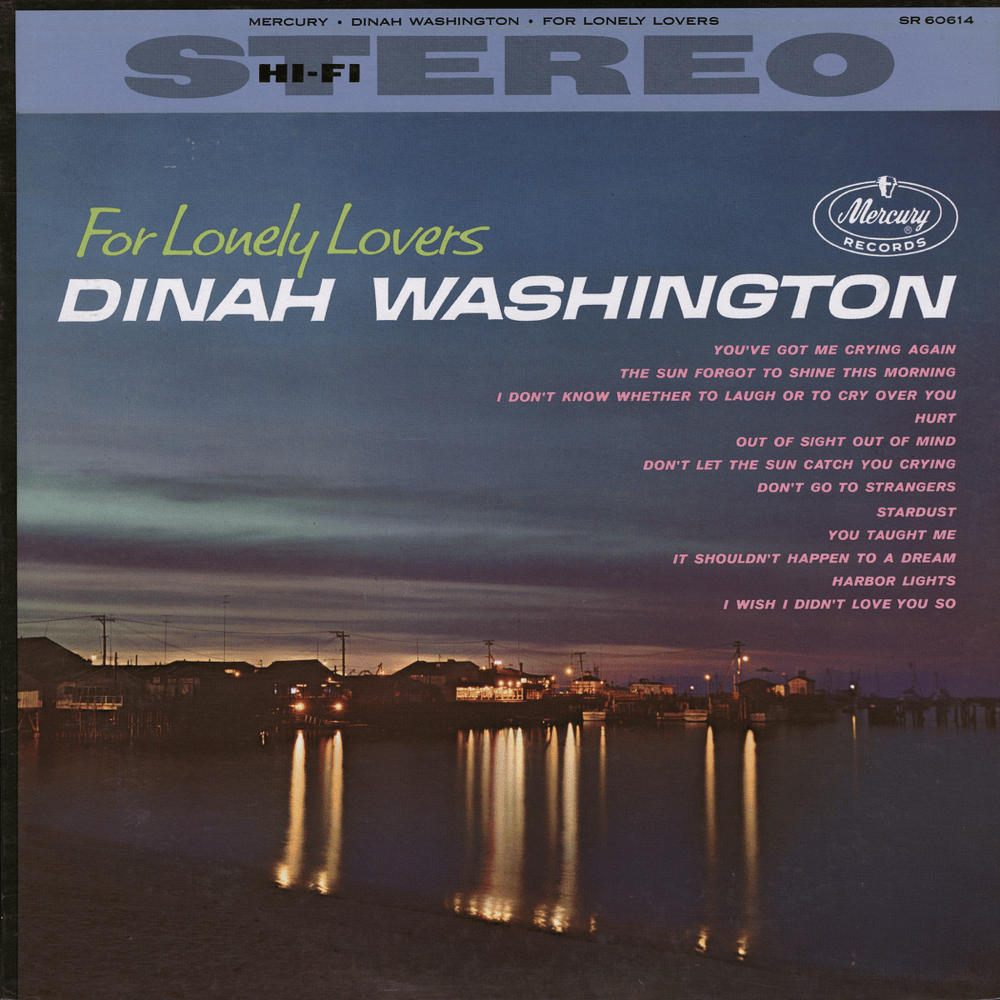
Dinah Washington doesn't just sing "Hurt"; she embodies it, etching the raw emotion into every syllable. The song, a masterclass in minimalist heartbreak, hinges on a central paradox: the depth of pain inflicted versus the speaker's unwavering, almost masochistic, devotion. The initial lines establish the core wound – a betrayal of trust, a lie that splinters the very foundation of the relationship. But it's not just the act of deception; it's the shattering of the promised future, the "never, ever part" now irrevocably broken, that truly devastates. Washington's delivery, steeped in bluesy vulnerability, amplifies the feeling of internal collapse.
The raw simplicity of the lyrics belies the complex emotional landscape they paint. It's not a melodramatic scream, but a quiet, aching confession. The repetition of "I'm hurt" drills the point home, each iteration carrying the weight of disbelief and lingering affection. The line "much more than you'll ever know" hints at a chasm of unspoken pain, a depth of feeling the betrayer can't possibly comprehend. This isn't about seeking revenge or retribution; it's about articulating the profound disconnect between the hurt inflicted and the enduring love that remains.
Ultimately, "Hurt" transcends a simple tale of romantic woe. It delves into the psychology of attachment, exploring the complicated ways in which we can remain tethered to those who cause us pain. The final lines, "even though you hurt me / Like nobody else could ever do / I would never hurt, hurt you," reveal a profound, almost unsettling level of empathy. It suggests a capacity for love that extends beyond self-preservation, a willingness to absorb pain rather than inflict it. This isn't necessarily a healthy dynamic, but it's a starkly honest portrayal of the irrationality and enduring power of love, even in its most wounded state. Washington’s interpretation transforms the song into an enduring testament to the complexities of the human heart.
 View Artist