Song Meaning
Dinah Washington’s "How Long" isn't just a blues lament; it's a masterclass in emotional geography. The song's central question—"How long, how long, has that evenin' train been gone?"—becomes a haunting mantra, echoing the protagonist's desperate attempt to measure the immeasurable: the duration of heartbreak. This isn't merely about a lover leaving; it’s about the agonizing stretch of time that follows, a period marked by absence and the slow, relentless creep of sorrow. The train, a classic blues symbol, represents departure, but also the crushing finality of the separation. The whistle's mournful blow, heard but not seen, amplifies the feeling of impending doom and the realization that something precious is irrevocably lost. The achin' pain in her heart isn’t a fleeting feeling; it’s a deep-seated wound that threatens to consume her.
Washington's delivery imbues the lyrics with a raw, visceral honesty. The image of hollering "like a mountain jack" to call her baby back speaks to a primal, almost desperate need for connection. Climbing the mountain, a symbolic act of reaching for something just out of grasp, only reveals the stark reality: "The man had my woman and the blues had poor me." This line is devastating in its simplicity, encapsulating the dual loss of love and the crushing weight of loneliness. The contrast between the natural world ("green grass growin' on the hill") and economic hardship ("ain't seen the green grass on a dollar bill") highlights the singer's isolation and despair. She’s surrounded by life, yet feels utterly detached from it, trapped in a cycle of poverty and heartbreak.
The final verse is particularly chilling. The natural progression of water from brook to river to sea mirrors the speaker's own journey, a relentless flow toward an uncertain future. But the concluding lines introduce a darker element: "If I don't run into my baby, a train is goin' to run into me." This isn't just a statement of despair; it's a subtle hint of suicidal ideation, a willingness to embrace oblivion rather than continue living with the pain of loss. The train, initially a symbol of departure, now becomes an agent of potential destruction, a physical manifestation of the emotional turmoil threatening to overwhelm her. "How Long" transcends a simple tale of heartbreak; it's a profound exploration of grief, loneliness, and the desperate search for meaning in the face of overwhelming loss.
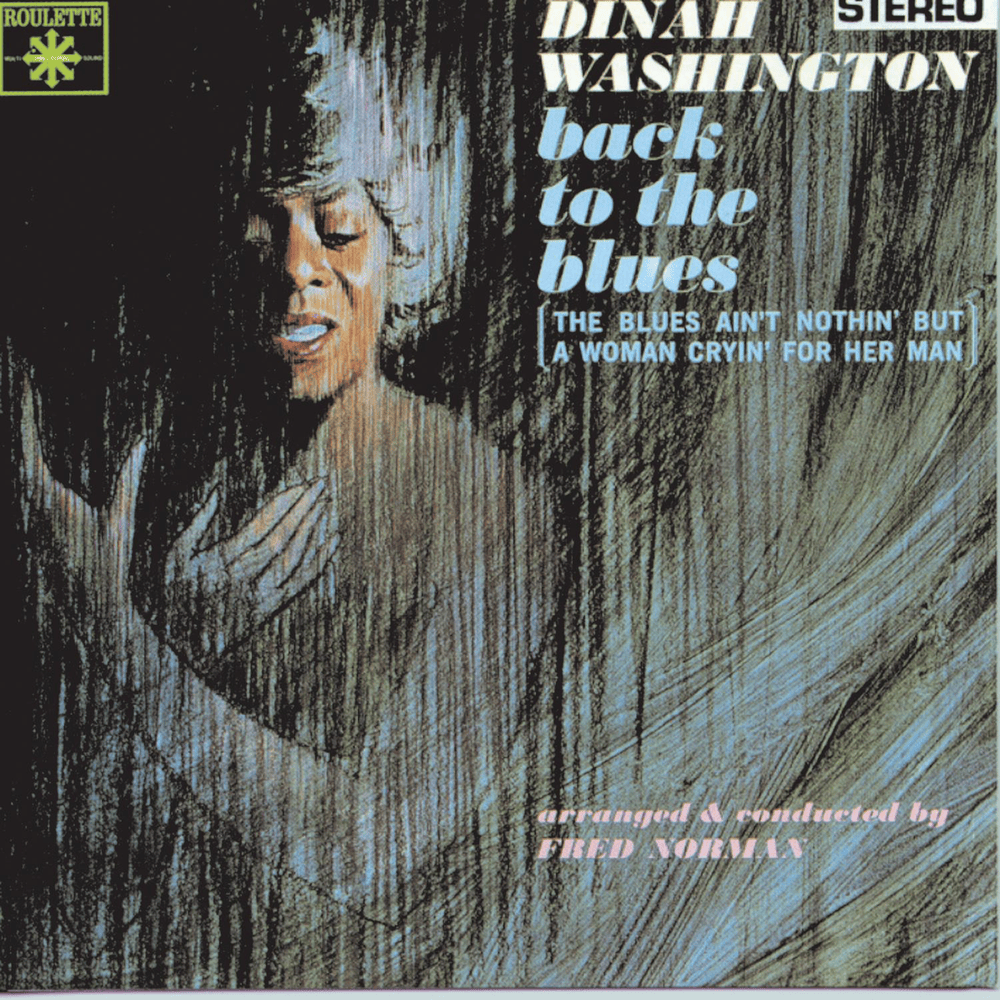
 View Artist