Song Meaning
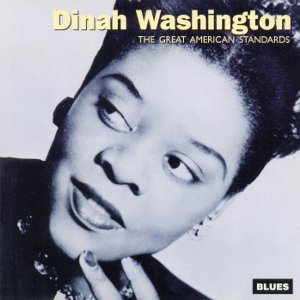
{"song_id": 12491475, "meaning": "Dinah Washington's rendition of \"Ain't Misbehavin'\" isn't just a jazz standard; it's a study in longing and disciplined desire. The song meaning revolves around the conscious choice to abstain from temptation, framing fidelity not as a burden, but as an active, almost joyful form of anticipation. The opening lines, \"No one to talk with, all by myself / No one to walk with but I'm happy on the shelf,\" immediately establish a state of voluntary isolation. This isn't loneliness; it's a self-imposed quarantine fueled by the promise of future reward. Washington's delivery imbues the lyrics with a sense of quiet strength, suggesting that the real power lies not in immediate gratification, but in the ability to delay it. \"Ain't misbehavin', I'm savin' my love for you\" becomes a mantra, a declaration of independence from fleeting desires.
The repeated \"Like Jack Horner in that corner / Don't go nowhere, what do I care?\" lines add a layer of psychological complexity. While seemingly dismissive, this aside reveals a vulnerability beneath the surface. The singer acknowledges the potential for infidelity or wandering attention, but chooses to remain steadfast. It's a subtle power play, hinting at the awareness of other options while simultaneously rejecting them. The radio becomes a symbol of solace and self-sufficiency, a companion in the absence of the beloved. This isn't a desperate clinging to virtue; it's a cultivated contentment, a quiet rebellion against the impulse for instant pleasure.
Ultimately, Dinah Washington transforms \"Ain't Misbehavin'\" into an anthem of deliberate devotion. It's a mature perspective on love, recognizing the value of delayed gratification and the strength found in self-control. The song's enduring appeal lies in its honest portrayal of desire, not as something to be suppressed, but as a force to be channeled and savored. The lyrics analysis reveals a nuanced understanding of human nature, acknowledging both the temptations of the present and the enduring power of future hope."}
 View Artist