Song Meaning
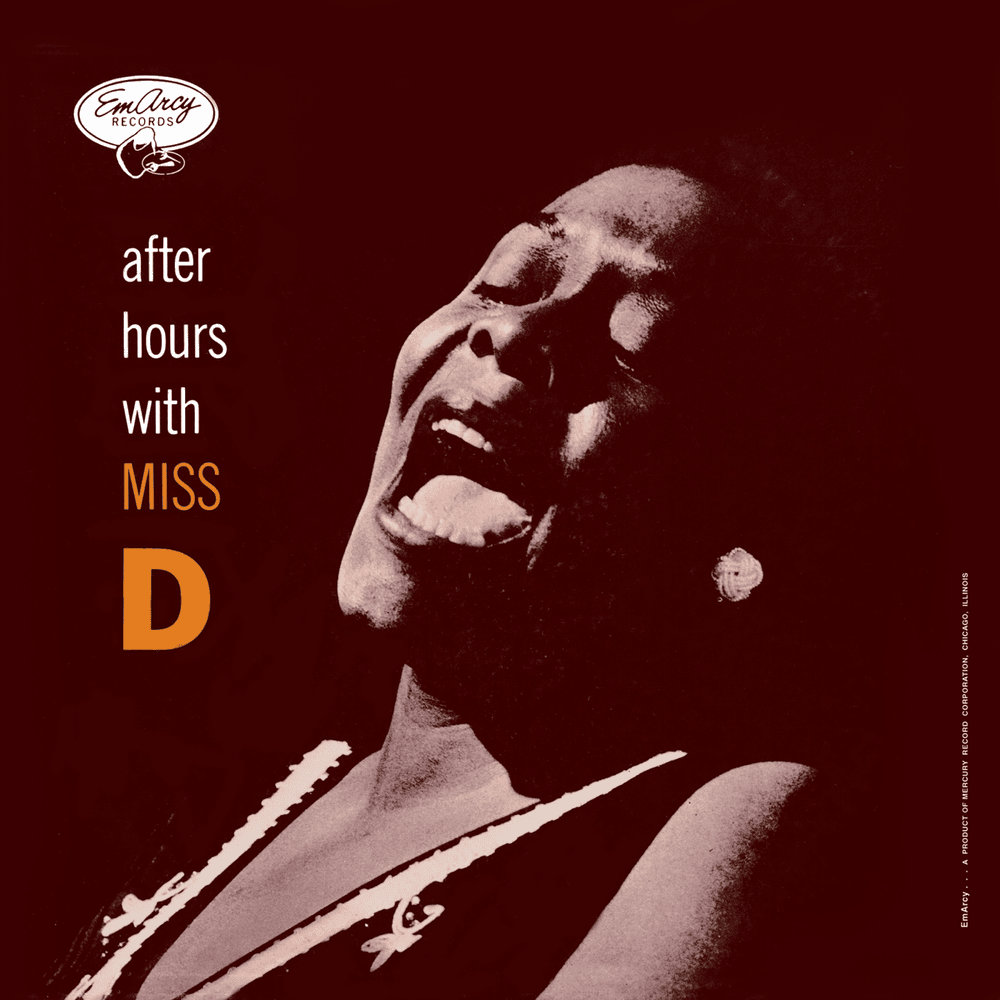
Dinah Washington, with her signature blend of bluesy grit and sophisticated jazz phrasing, transforms "A Foggy Day" from a mere weather report into a potent metaphor for emotional rescue. The song meaning isn't simply about meteorological conditions in London; it's a story of psychological gloom lifted by the unexpected arrival of love. The opening paints a picture of oppressive despair: a literal "foggy day" becomes symbolic of a deeper malaise, a feeling of being "low" and "down." Even cultural touchstones like the British Museum lose their appeal, underscoring the protagonist's profound sense of disconnection. Washington's interpretation highlights the contrast between this initial despair and the transformative power of human connection.
The genius of the lyrics lies in the abrupt shift from bleakness to radiant joy. The line "But the age of miracles, it hadn't past" serves as a crucial pivot. It suggests a yearning for something beyond the mundane, a belief in the possibility of redemption. That redemption arrives in the form of a new love interest, someone who has the power to instantly dispel the fog. The seemingly simple declaration, "And suddenly, I saw you standing right there," is charged with an almost religious fervor. This isn't just about attraction; it's about being saved from a suffocating emotional state.
Ultimately, Dinah Washington's rendition of "A Foggy Day" is a testament to the human capacity for resilience and the transformative power of love. The "foggy day" serves as a powerful symbol for depression or loneliness, while the sudden appearance of the beloved represents hope and renewal. The lyrics analysis reveals a deeper understanding of how human connection can shatter even the most persistent gloom, turning a world shrouded in fog into one bathed in sunlight. It's a reminder that even in our darkest moments, the potential for joy and connection always exists.
 View Artist