Song Meaning
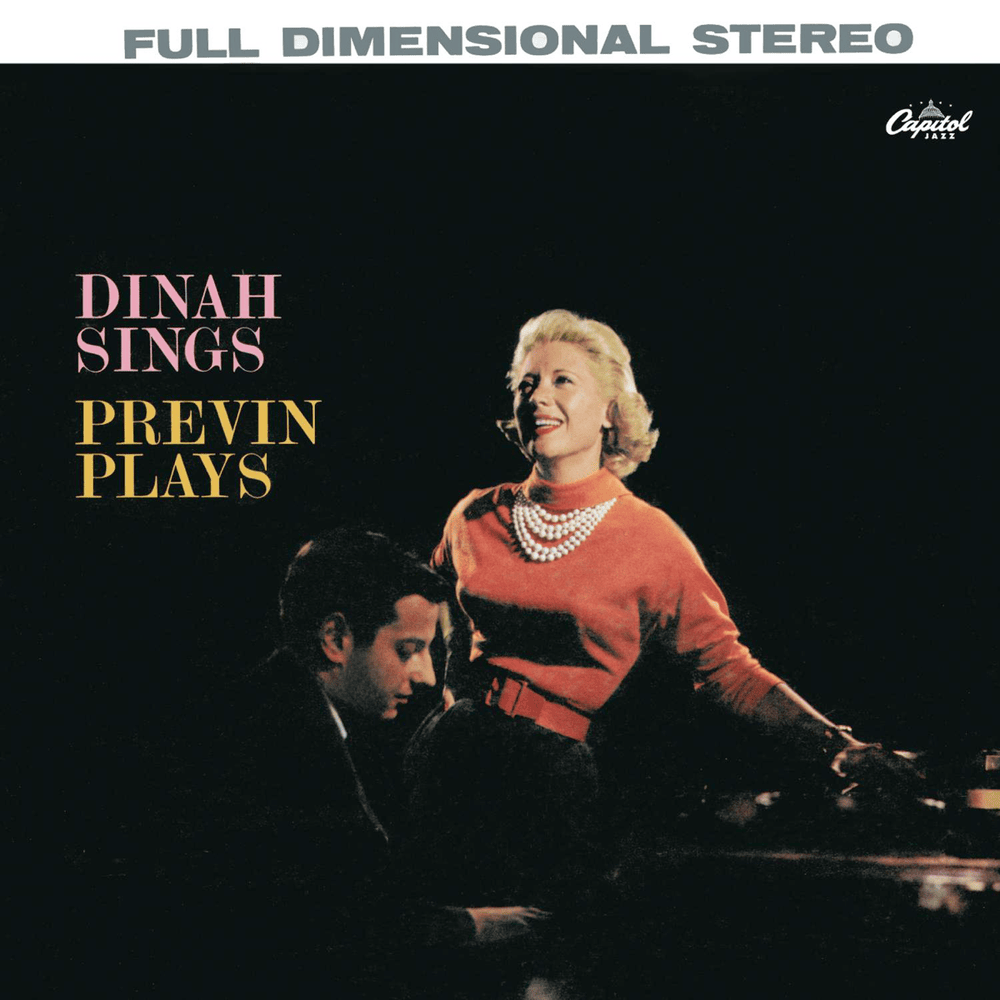
Dinah Shore's rendition of "My Melancholy Baby" isn't just a sweet serenade; it's a masterclass in emotional co-regulation, thinly veiled as a jazz standard. The lyrics, while seemingly simple, unpack the delicate dance of empathy within a romantic partnership. Shore isn't merely comforting a sad partner; she's acknowledging the contagious nature of emotions, understanding that unchecked sorrow can easily spread like a virus. The opening lines, "Come to me my melancholy baby / Please cuddle up, and don't be blue," are an invitation into a shared emotional space, a plea for connection as an antidote to despair. The singer positions herself as an emotional anchor.
What elevates the song beyond saccharine sentiment is the implied threat in the final line: "Or else I shall be melancholy too." It's not a selfish demand for happiness, but a recognition that the well-being of both partners is intertwined. This isn't about one person unilaterally fixing the other; it's about mutual emotional support, a reciprocal agreement to pull each other out of the darkness. The "silver lining" metaphor, though familiar, gains new weight in this context. It’s not just about optimism; it’s about actively searching for light together, a joint effort to reframe perspective. The act of kissing away tears becomes symbolic, a physical manifestation of shared emotional labor.
Ultimately, “My Melancholy Baby,” through Shore's nuanced vocal delivery, explores the profound vulnerability inherent in intimate relationships. The song's meaning resides not just in the surface-level comfort, but in the deeper understanding that love necessitates a willingness to share and manage each other's emotional burdens. It's a gentle reminder that sometimes, the most loving act is not to simply offer platitudes, but to stand in the darkness together, hand in hand, until the sun shines through.
 View Artist