Song Meaning
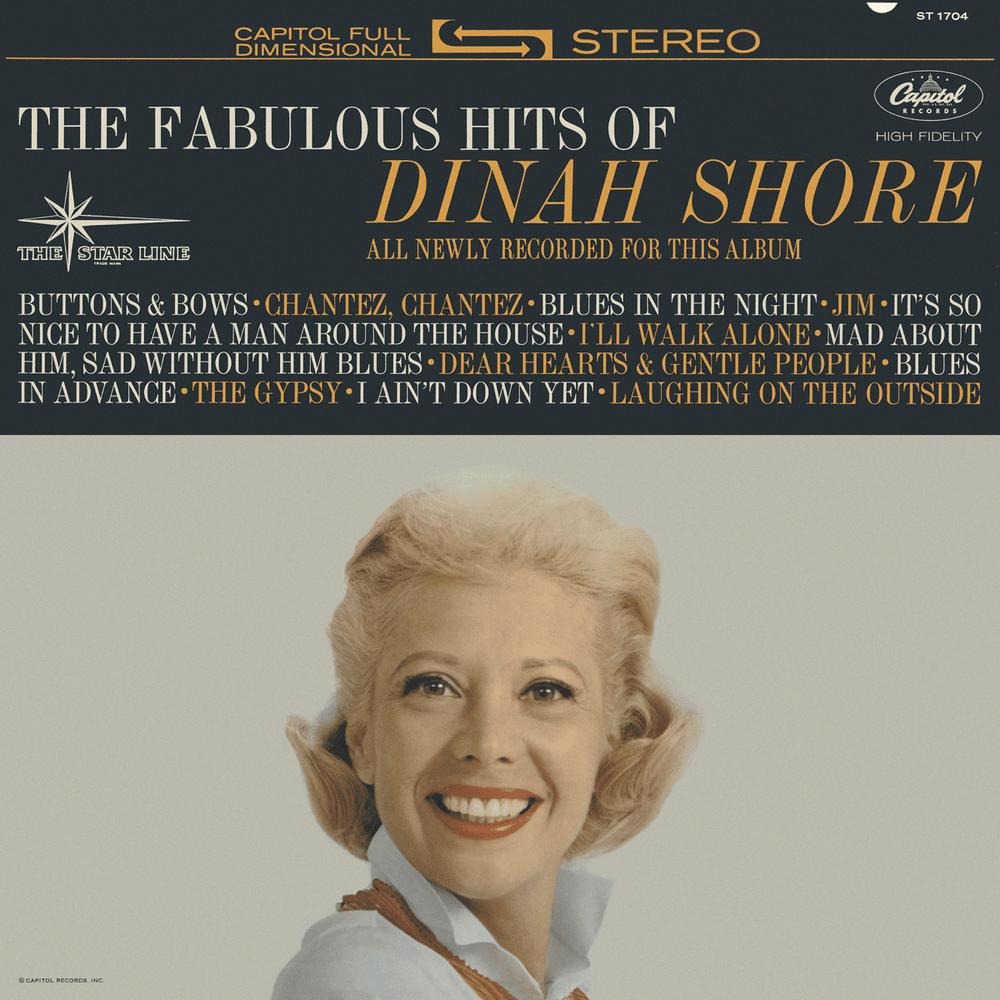
{"song_id": 15685108, "meaning": "Dinah Shore's \"Jim\" is a masterclass in mid-century melancholia, a deceptively simple tune that excavates the masochistic depths of romantic obsession. The song isn't just about unrequited love; it's about the *performance* of unrequited love, the way we sometimes cling to the drama of heartbreak even when a clean break would be healthier. Shore's narrator isn't merely lamenting Jim's lack of affection (\"Jim doesn't ever bring me pretty flowers\"); she seems almost addicted to the pain, trapped in a self-perpetuating cycle of longing and disappointment. The repeated line, \"It's all because of Jim,\" becomes less an explanation and more of a mantra, a justification for her self-imposed isolation. It is a ritualistic, almost theatrical, declaration of her helplessness.
The brilliance of \"Jim\" lies in its understated honesty. There's no grandstanding, no operatic wailing. Instead, Shore delivers the lyrics with a quiet resignation that makes the narrator's plight all the more relatable. We've all known a \"Jim\" – someone who inspires irrational devotion, someone who holds a strange power over our emotions, even when they offer little in return. The \"torch\" she carries isn't a symbol of hope, but of stubborn, perhaps self-destructive, fidelity to an illusion. The lyrics hint at an awareness of this dynamic – \"Sometimes when I get feeling low / I say 'Let's call it quits.'\" – but this fleeting moment of clarity is quickly overshadowed by the pull of her infatuation.
Beneath the surface of this seemingly straightforward ballad lies a complex exploration of codependency and the allure of suffering. Shore's narrator isn't a victim, exactly; she's a participant in her own heartbreak, choosing to remain tethered to a man who clearly doesn't reciprocate her feelings. The song's enduring appeal rests on its unflinching portrayal of this uncomfortable truth: that sometimes, we choose our own cages, mistaking the familiar ache of longing for the deeper, more terrifying freedom of letting go. The song’s meaning resonates because it’s a timeless depiction of the push and pull in imbalanced relationships, and the human tendency to find a twisted comfort in the familiar pain."}
 View Artist