Song Meaning
The lyrics paint a picture of profound betrayal and a subsequent, defiant stand. The opening lines, "Fallen I have, fallen I am / Cursed and destined to burn," immediately establish a tone of deep personal ruin and inescapable doom. This sense of being cast down and marked for destruction permeates the initial declaration of a broken allegiance. The narrator explicitly states their loyalty to a deceiver has ended, citing an "empty fraudulent face" as the catalyst for this disillusionment. This isn't just a personal slight; it's framed as a fundamental break from falsehood.
The core tension arises from the narrator's decision to reject the deceit they've experienced and commit to absolute truth. They vow, "I will never turn my back on you / And deceive the flesh of our race," signaling a commitment to honesty, even in the face of personal consequence. This commitment is further emphasized by the promise, "I will always speak truly / So you can understand / No riddles that manipulate." The narrator positions themselves as a beacon of clarity against a world of manipulation and hidden agendas.
The most striking element is the shift from personal downfall to a call for radical self-reliance and cosmic judgment. The lines, "Do not believe false promises / Conspiring to cover up the truth," serve as a direct warning against external deception. This is immediately followed by an internal directive: "Find solace in darkness within yourself / And have your legions unleashed." This suggests that true power and truth are found not in external validation or trust, but in embracing one's inner strength, even its darker aspects, to confront the world. The final stanza elevates this to a grand, almost apocalyptic pronouncement, calling for a rightful ruler to emerge, implying a cosmic order is being re-established through this act of truth-telling and inner liberation.
This lyrical construction is effective because it moves from a place of deep personal despair and betrayal to a powerful assertion of agency and truth. The repetition of "Fallen I have, fallen I am" in the beginning creates a sense of inescapable fate, making the subsequent rejection of deceit and embrace of inner strength all the more potent. The contrast between the "empty fraudulent face" and the narrator's commitment to "speak truly" highlights the moral stakes. Ultimately, the lyrics resonate by transforming personal ruin into a catalyst for a profound, almost spiritual, awakening and a call to arms against deception, both internal and external.
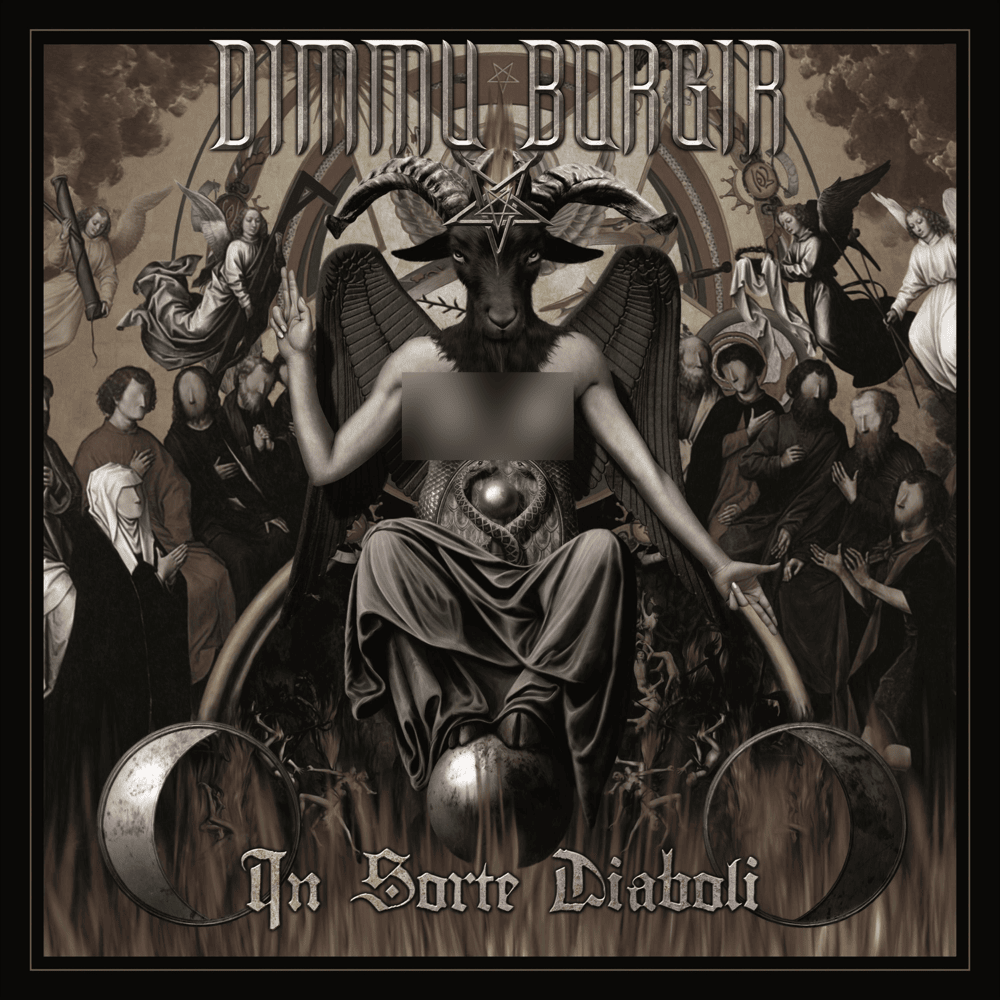
 View Artist